The Age of Love
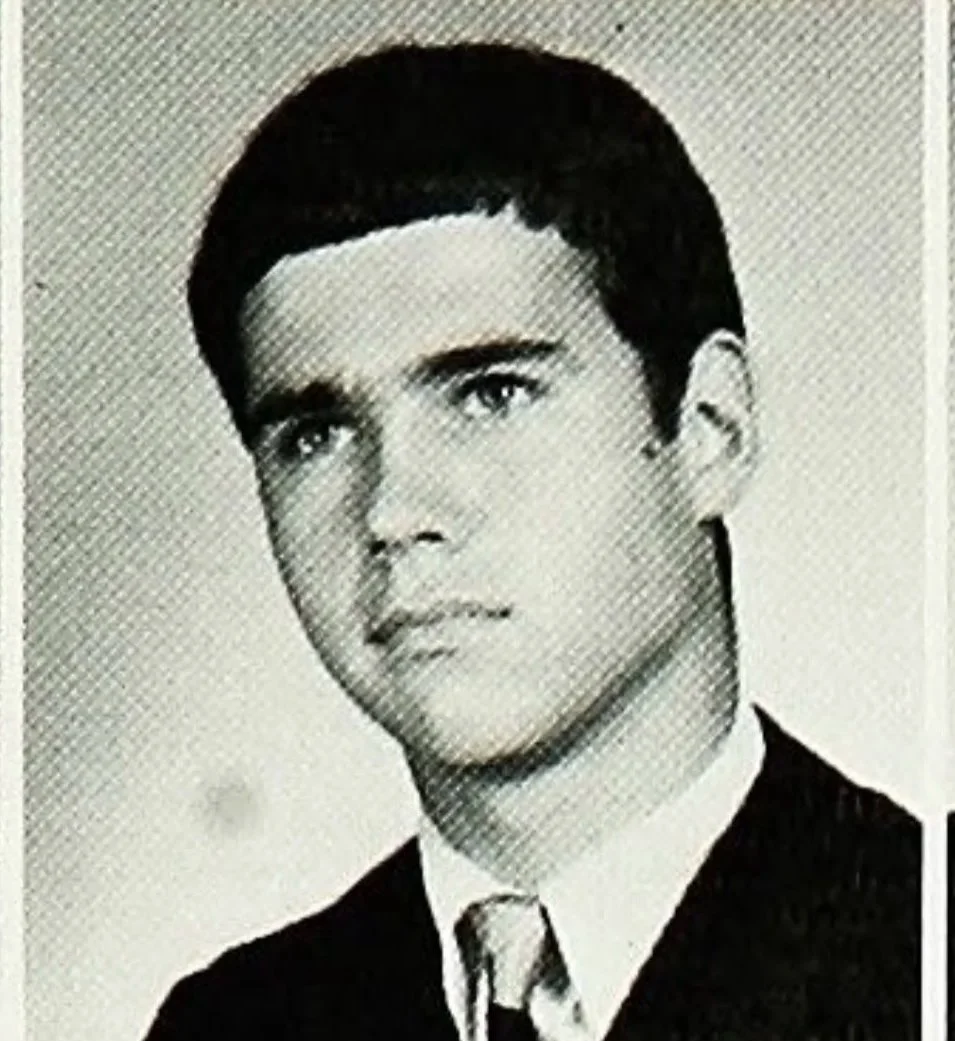
By the time Randy became a teenager, he had learned how to protect himself with his charm. His father had modeled it well. Yet, Randy’s wit was sharper than his father’s, and he’d picked up a few tricks of his own.
He embodied a kind of charisma that could make defiance look attractive and entertaining. He could take aim at authority with opportune jokes, puncturing their credibility and subtly tilting power in his favor, all while maintaining his easygoing smile. The laughter from his peers was nothing short of intoxicating. But his teachers and coaches were not impressed.
Of course, Randy never saw himself as a villain in anyone’s story. He preferred to think of himself as a good rebel—the boy bold enough to expose hypocrisy, yet clever enough to avoid the fallout. And what a thrill, to simultaneously push the boundaries while still gaining approval at the same time.
Beneath the jokes, however, lived a boy no one truly knew. A boy doing everything he could to protect a wound that constantly reminded him he wasn’t loved or understood, and he never would be.
At home, love had never felt safe or simple. He learned early that affection could arrive with laughter, yet disintegrate just as quickly. And while his father always seemed to be drawing more and more people into his orbit, Randy understood what it looked like when the fun-loving brightness turned dangerous; when his father’s anger flared the second he felt challenged or undermined.
Chaos walked hand in hand with his father’s unpredictability, yet what stuck with Randy the most was how often he would leave. For weeks at a time his father, John, would disappear on benders he called business trips, and when he returned he either walked in carrying gifts, or he was emotionally detached and irritable.
His absence left a gaping hole where steadiness was meant to be. Randy always hoped if he could make his father happy when he was home, he wouldn’t want to leave so much. But of course, John’s life had become much more complicated than that.
The secrets he kept tucked under the rug bent the emotional shape of the household until everyone learned how to exist around what wasn’t being said.
Randy watched his mother absorb the hurt in plain sight, one day after another. With her hopes of a happy marriage shattered, her anger became shaped by abandonment, exhaustion, betrayal, and the private humiliation of believing so many lies. The only people left in its wake were her children, and they faced the brunt of it.
Because their father wouldn’t.
Rock N’ Roll
At the same time, the world was discovering a language Randy was uniquely equipped to understand.
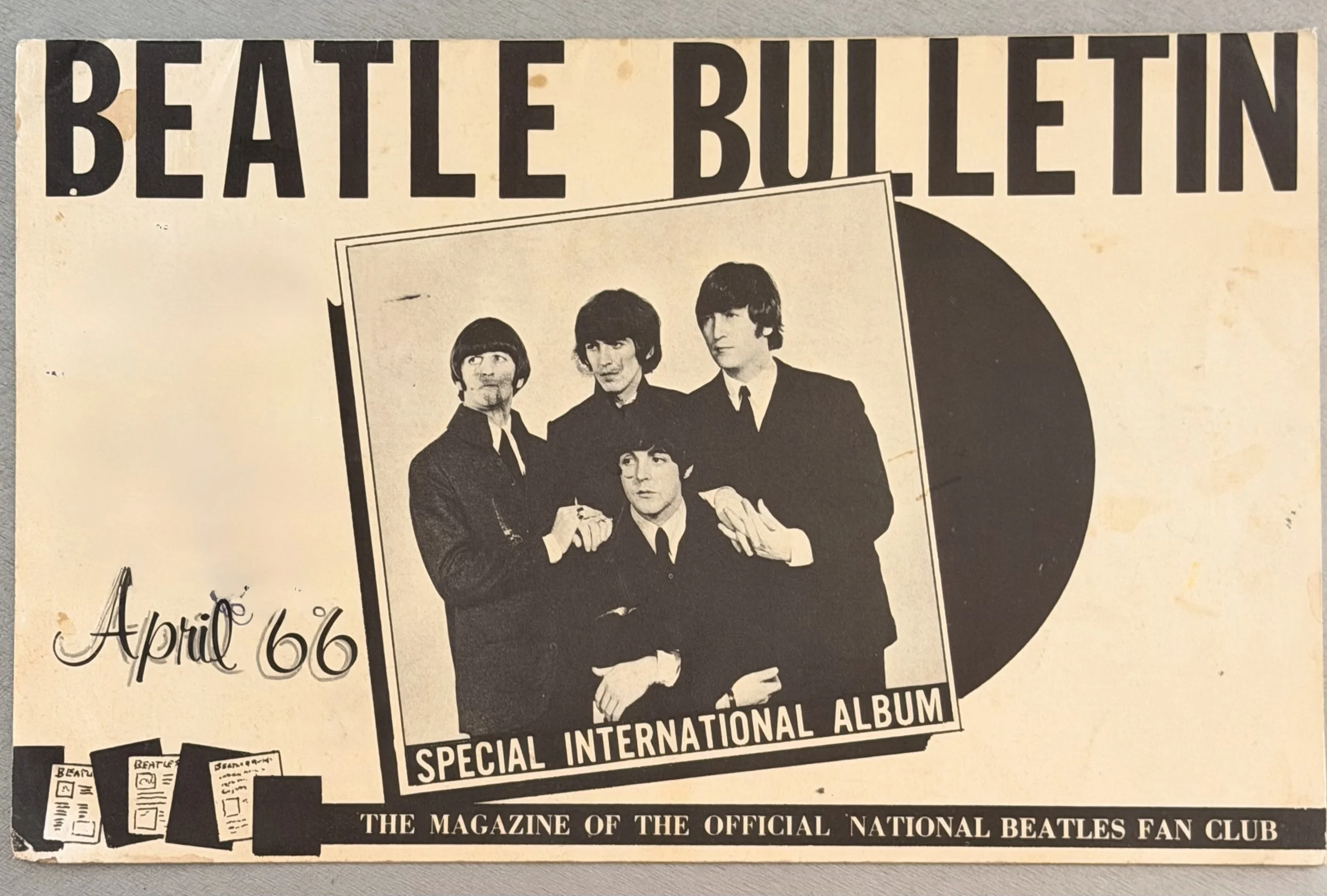
It was bright, electric, and full of promise. Television had allowed glamour to be brought into ordinary living rooms. Music turned longing into a spectacle that almost seemed otherworldly. When the Beatles arrived, they not only changed the world, but they changed little Randy in a way that reached down and held his vulnerability like it had never been held before.
The Beatles were witty, stylish, expressive, romantic, and clearly adored. They weren’t stern fathers, soldiers, farmers, or football heroes. They didn’t want to be, and they proved they didn’t need to be.
Randy watched the band with wide-eyes as he began crafting a beautiful dream in his mind.
It had never been easy for Randy to fit the mold of boyhood he had been exposed to. Although, he certainly tried. The old rules demanded toughness, restraint, dominance, and emotional silence. But Paul McCartney and John Lennon proved with their lyrics and melodies that perhaps expressing our innermost feelings wasn't a source of weakness after all. Maybe our emotions could be the gateway to inspiration for stories and song lyrics. Maybe a boy could be softer, clever, musical, romantic—and still be worthy of a seat at the high table.
Interestingly enough, the era offered to Randy what the 1950s had offered to his father. A chance to reshape his insecurities into something everyone appreciated and admired.
Then he met Susan, and he discovered a new layer to his dream that he never could’ve imagined otherwise.
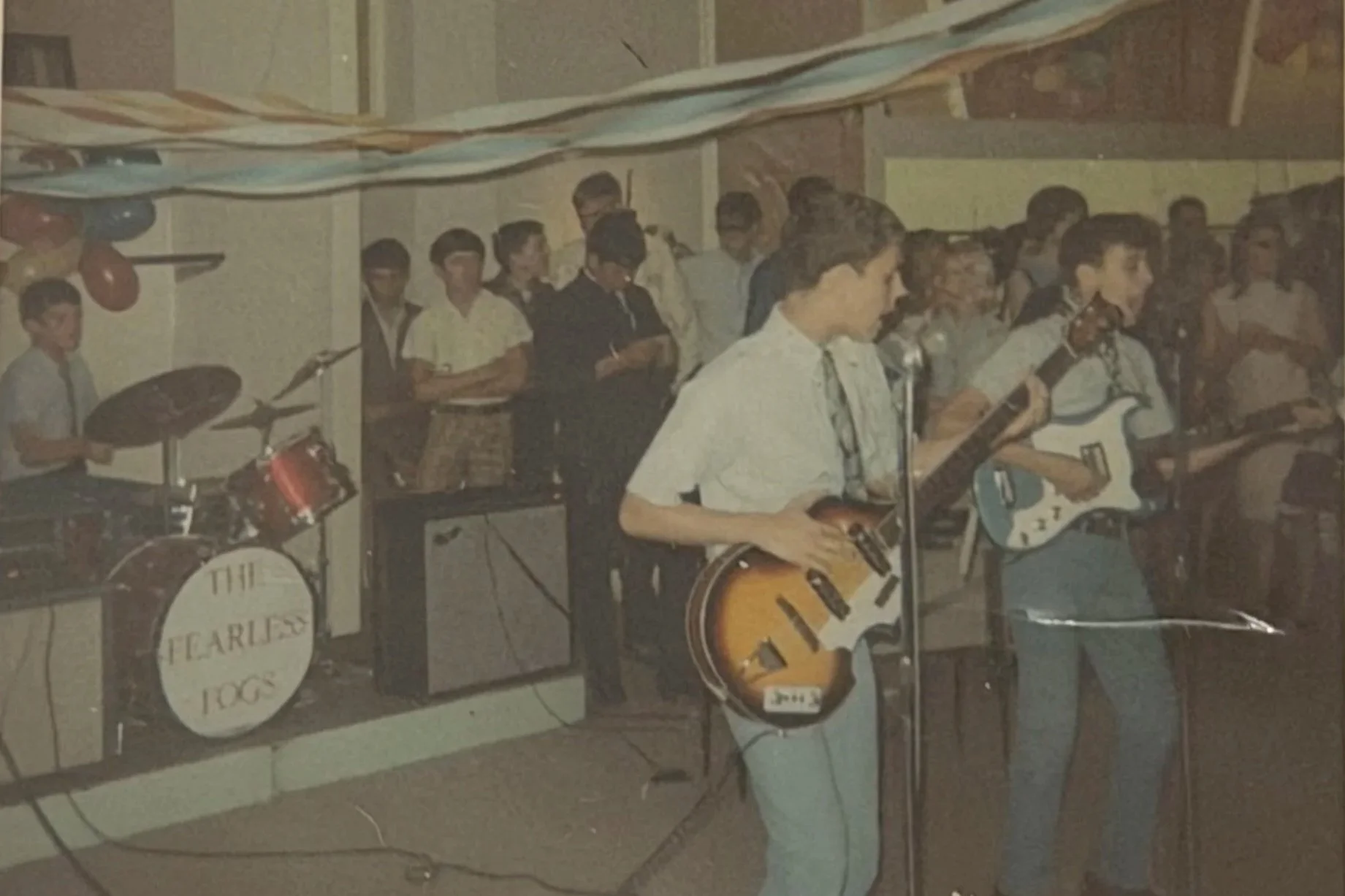
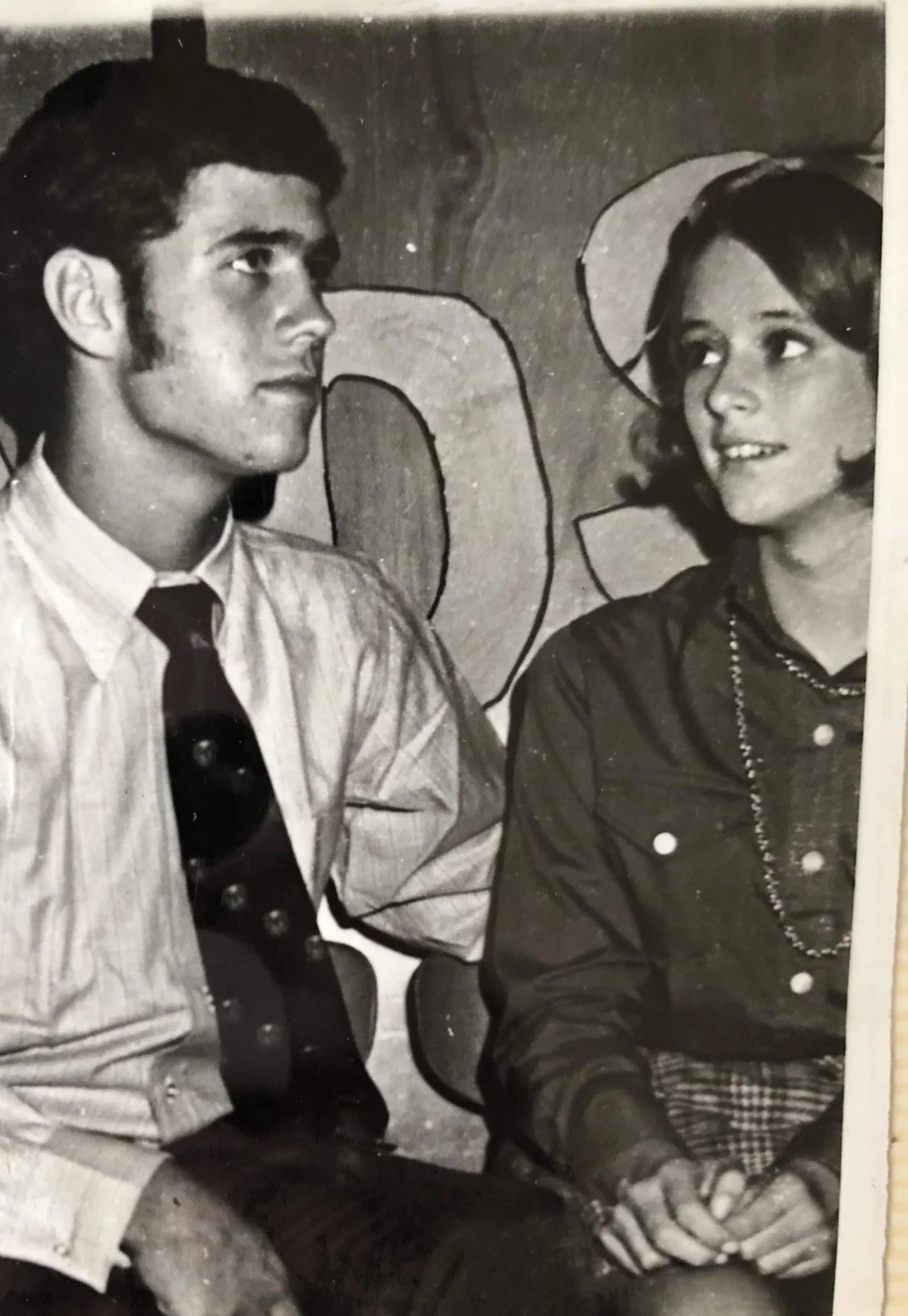
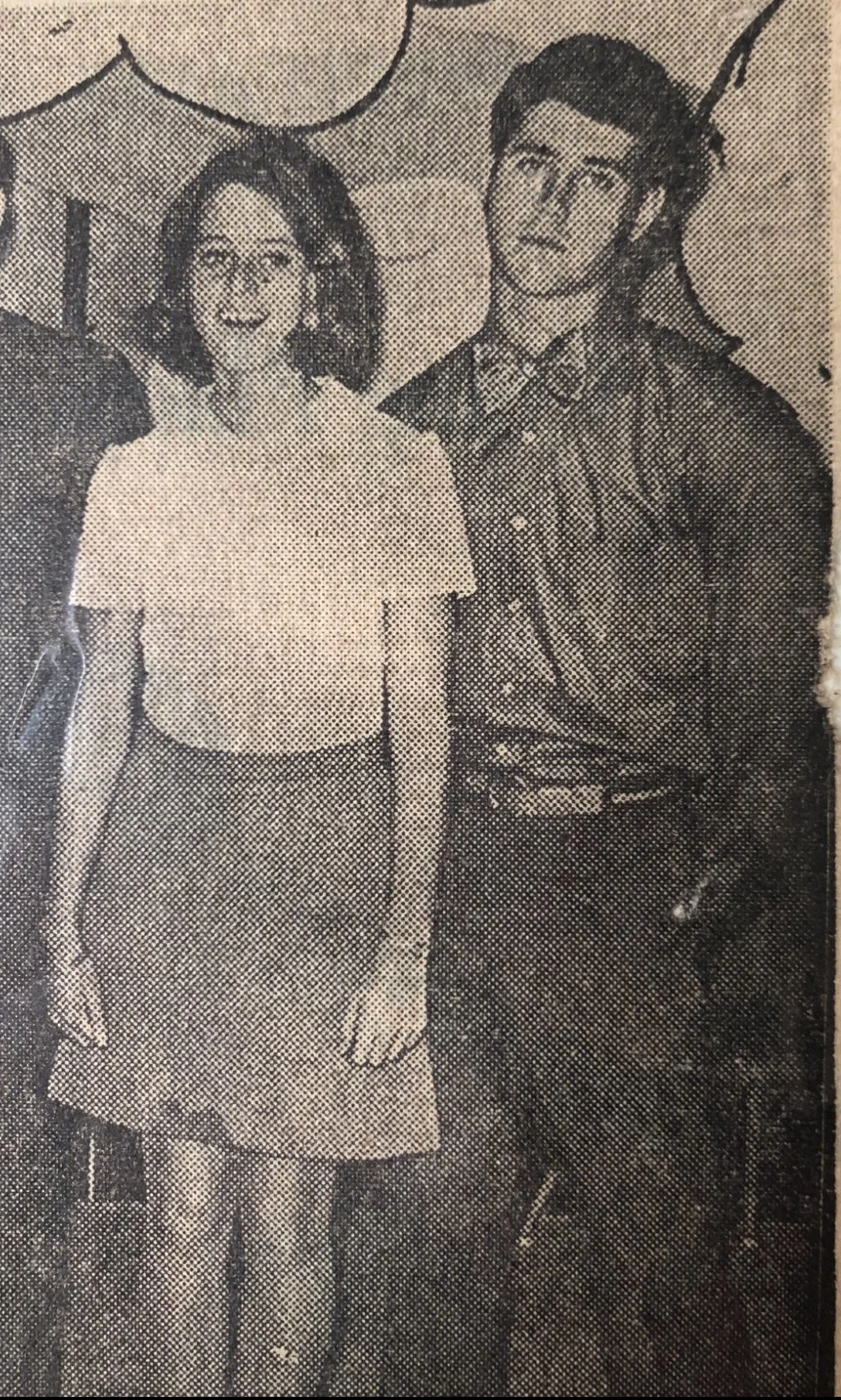
Randy and his band, the “Fearless Fogs,” performing at a school dance.
Susan
Randy loved telling the story about the first time he saw Susan walk through the door of their 9th grade English class. He said the sight of her nearly made him fall out of his chair, and he struggled to pay attention to anything else.
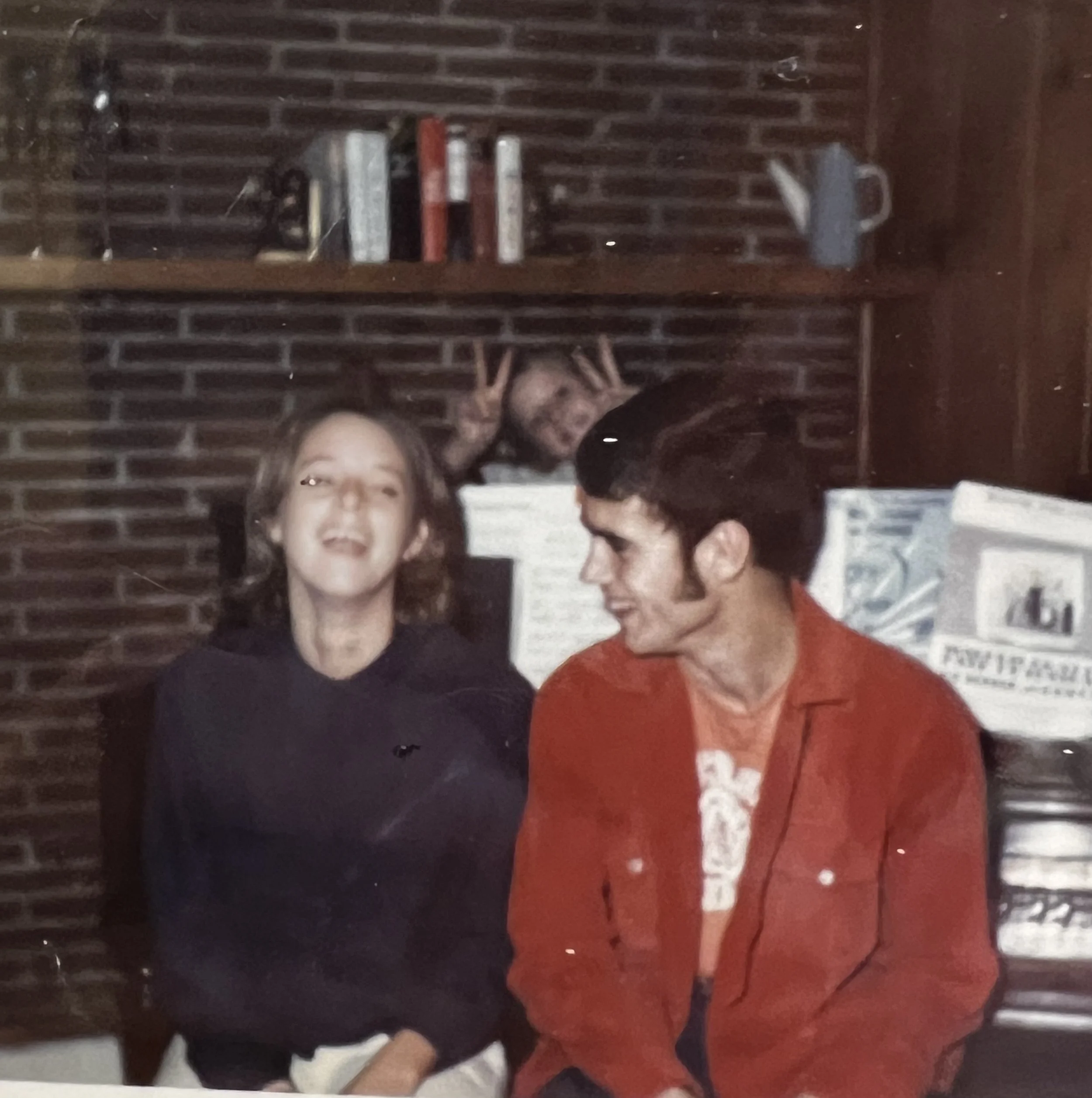
He was always sure to add that as he got to know her, it was not simply her beauty that caught him off guard. It was how different she was with him in comparison to anyone else he’d ever known. She was kind and gentle; smart and funny. Randy felt seen and understood solely from being around her. She was intrigued by his uniqueness, drawn to his defiance more than she cared to admit, and deeply touched by his sensitivity. And boy, could they make each other laugh.
For Randy, every hope within him gathered around her. Every ache, every unanswered question, every private longing to be chosen and cherished—all pushed him toward Susan.
Underneath the excitement was a boy trying to outrun an old wound by reaching toward anything that felt less suffocating than the only world he’d ever known.
Adolescence tends to play those merciless little tricks, telling us to believe that what makes us feel alive can also become the thing that saves us. So when love appeared, Randy didn’t just welcome it. He clung to it.
Susan became the place his dreams came to land. A dream that believed her love could gather every broken piece of him, hold each one gently, and somehow put them back together again.
And in many ways, Susan believed she could do that, too.