An Excerpt from “The Promise and Shadows of the 1950s”
Success was no longer determined solely by physical strength or technical skill.
It increasingly depended on likability.
The rise of the salesman reflected this shift perfectly.
A successful salesman wasn't the toughest or even the most skillful man in the room. He didn’t need to be. But he was often the most charming. The most persuasive. The jolly good fellow who could make people feel important, build relationships, tell a compelling story, and of course, close the deal.
A career that offered this kind of lifestyle almost felt like a reward after generations of struggle. Business trips and hotels had replaced military deployments and bunkers. Company parties had replaced wartime gatherings. Golf courses, conventions, and cocktail hours had become the new arenas for competition and status. The culture encouraged men to dream not merely of military advancement, but of personal advancement.
That’s when the doors to excess flew right open.
The Lingering Darkness
John
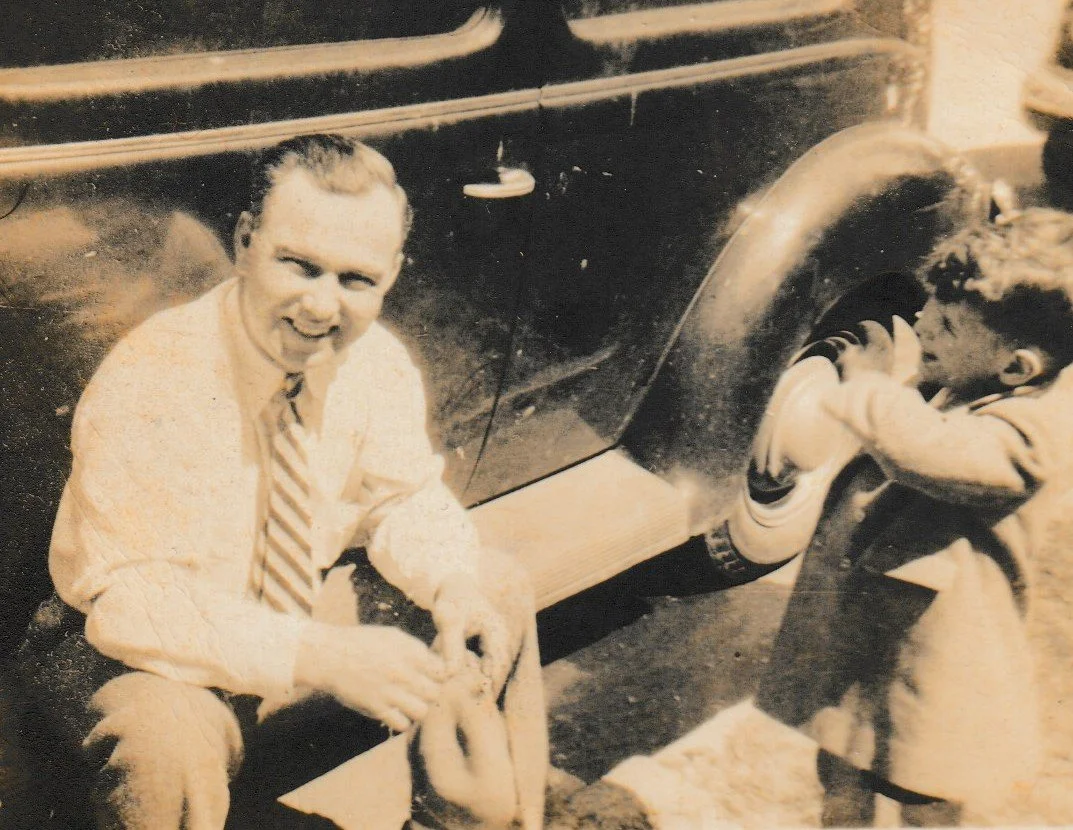
For my grandfather, John Gray, Jr., it felt like the new world had been created just for him.
Handsome, charismatic, and endlessly sociable, he seemed perfectly suited for a profession built on persuasion and personal connection. Especially after his attempt at dentistry, where he was told he had the worst fine motor coordination of anyone the instructors had ever seen. The feedback was another reminder of how far John had fallen from the standards and skillset of his father, the welder and machinist.
Yet by the time my father, Randy, was born, John had transformed his identity from a war-fighting navy man and wannabe-dentist to an up and coming retail salesman.
For the first time in John’s life, he was no longer the frightened son of an angry father. He was no longer standing on the other end of harsh insults and barking demands. He was respected. Admired. And even sweeter, he had managed to build a substantial life from the very thing his father seemed to hate the most: his personality.
What he wasn’t ready to understand, however, was that his past could never be conquered or left behind. It would never fully disappear, even after his life had drastically changed.
It simply waited for the moment he became relied upon as a husband and father.
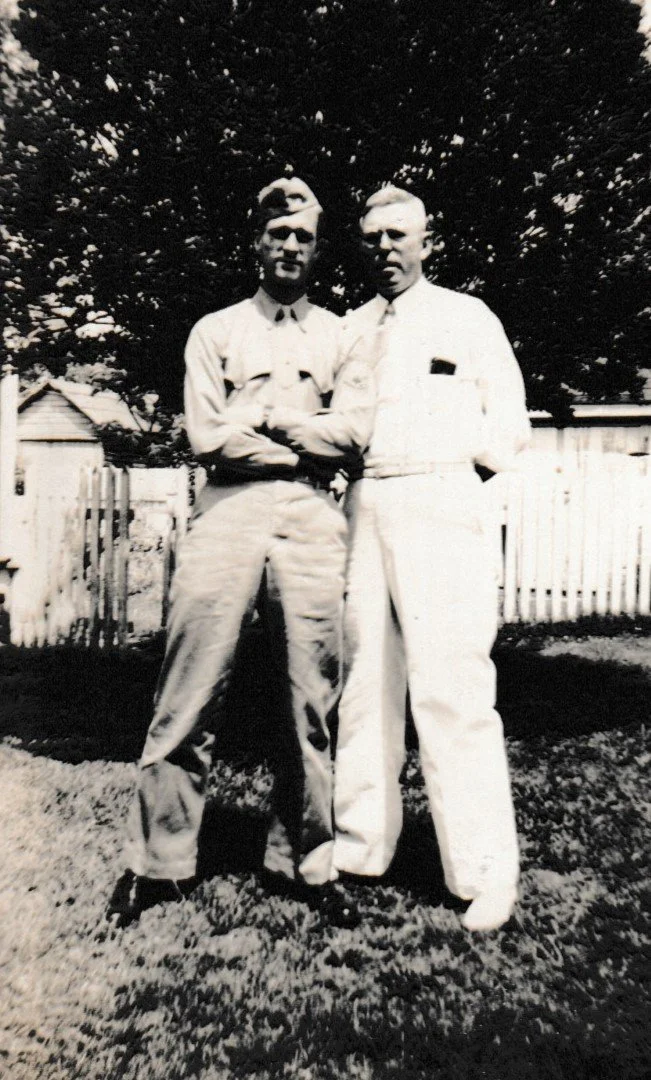
John L. Gray, Jr & John L. Gray, Sr.
Barbara
Randy’s mother, Barbara, also knew the darker side of life. Born an only child in 1928 and raised on a peanut farm in North Carolina, she learned the rhythms of farm life early. But much of her childhood was spent alone, tucked inside books or wheeling around her pet bunnies in baby carriages. Her imagination became a refuge, safer and more enjoyable than the adult world bustling around her.
Her mother, Mary Mack, carried an intensity Barbara felt long before she could understand it. When Barbara was six, Mary experienced a strange succession of deaths that took her parents, one after another, and she carried the gnawing suspicion that her own father and brother had played some part in it.
To speak of such things outright would have been unthinkable. Instead, Mary’s fear and paranoia swirled around unpredictably before erupting as emotional outbursts, making it easy for those around her to dismiss her as hysterical, unstable, or insane.
But I think there was much more to it than that.
For Barbara, loving her mother meant learning to anticipate her moods. She learned to obey the invisible rules that kept the house calm, and accept whatever tenderness was offered without asking for more.
And while Mary taught Barbara how to prepare a meal, keep a fine home, remain assertive, and look beneath people’s surfaces, she also taught her, unintentionally, that closeness could feel dangerous. And when it finally arrived, it could still feel strangely hollow. Barbara determined it was safer not to rely much on warmth and affection as a form of comfort, and she found it was more productive–and personally validating–when she threw herself into responsibility. Or books.
Later, as the wife of a troubled man and the mother of three rambunctious sons, Barbara’s challenging relationship with her mother would resurface in a new form. She had never been shown how steady love was supposed to feel. So giving it freely—amid noise, need, and shattering betrayal—became a kind of labor she had never been prepared to carry.

Randy
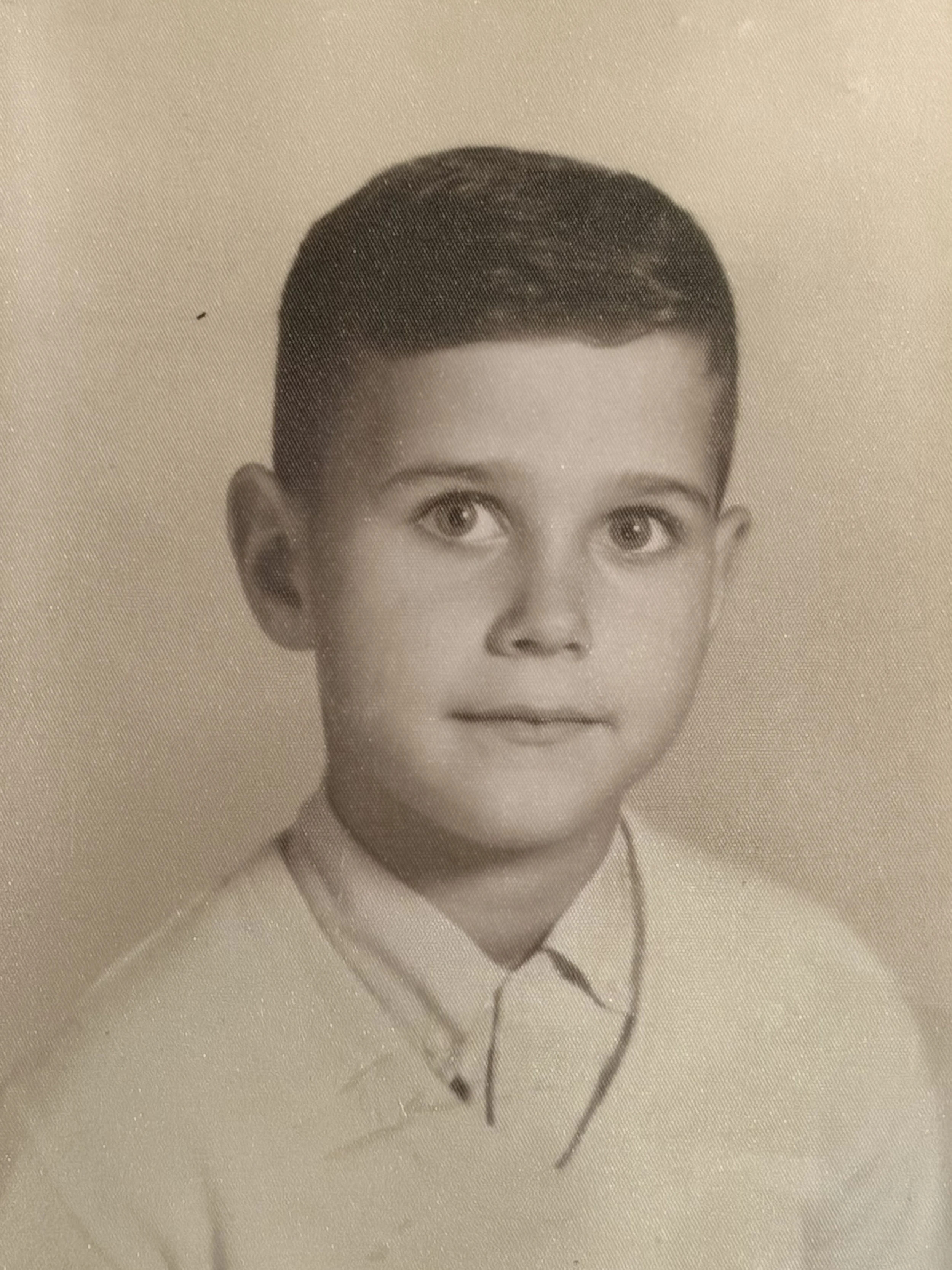
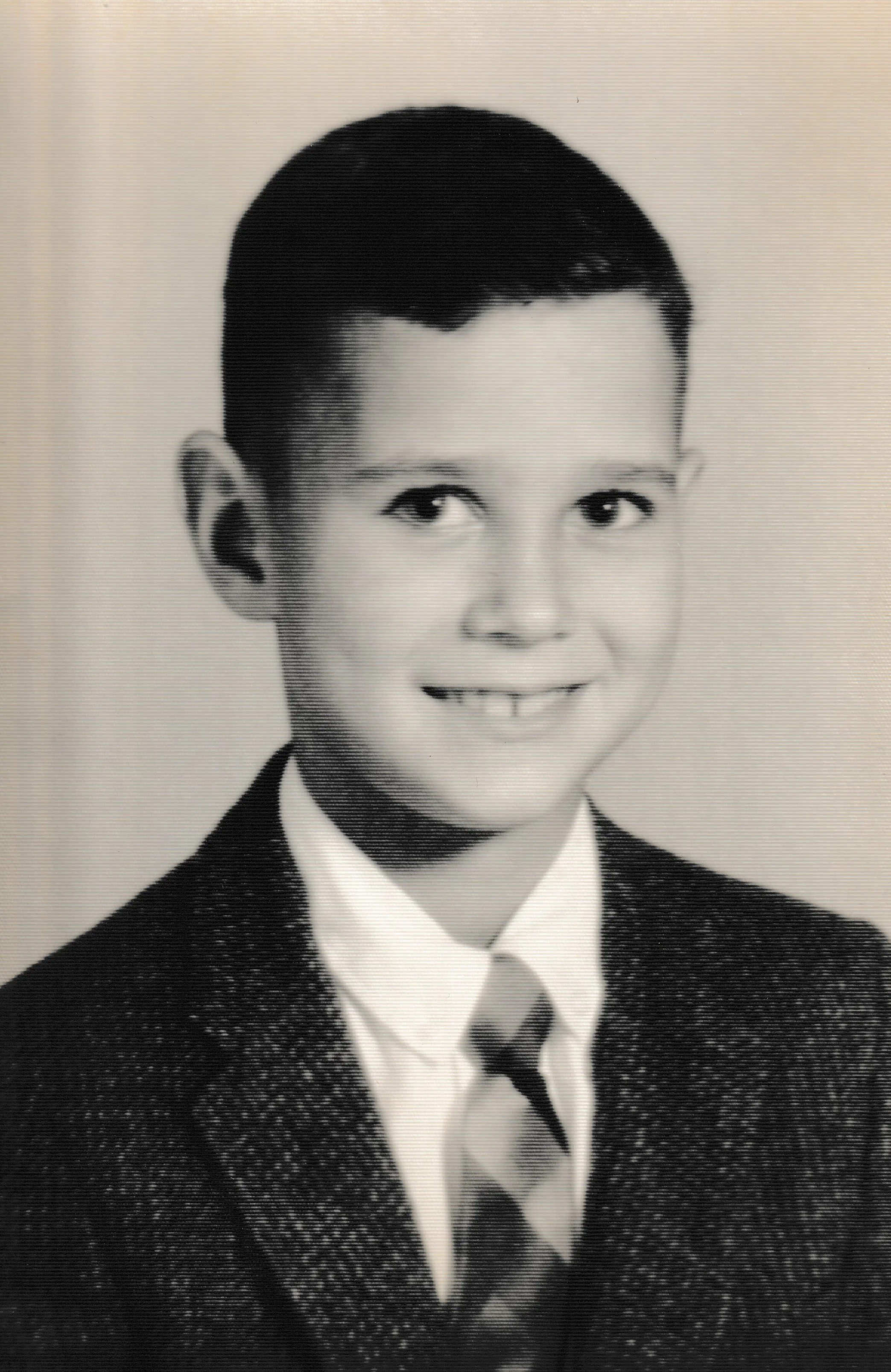
Randy was the second-born son, arriving on July 21, 1953. From the very beginning, he seemed cut from a different cloth than his older brother. Where his brother was diligent, reserved, and serious-minded, Randy was all enthusiasm and motion—a boy whose adventurous spirit seemed too large to be contained by the ordinary boundaries of childhood.
With his bright green eyes, easy smile, and natural charm, Randy drew attention wherever he went. He discovered early that making adults laugh had a kind of magic to it. A well-timed joke or playful remark could soften tension, brighten a dull moment, and pull people toward him. Just as importantly, it earned him something every child longs for: approval.
His gift didn't come out of nowhere.
Much of Randy’s natural temperament resembled the charm and likability of his father, John. The difference was, however, when John was a boy, his exuberance often clashed with his father's stern, heavy-handed expectations. John was dismissed by his father as an immature fool, and subjected to extensive physical punishment in an effort to change his ways.
For Randy, the pattern quietly reversed itself, and rather than facing ridicule, he was rewarded. He quickly learned which parts of himself drew his father's smile, laughter, and approval. And like most children, he gravitated toward them.
Over time, Randy became remarkably skilled at reading a room. He could sense the emotional temperature almost instinctively and adjust himself accordingly. If someone was uncomfortable, he could ease the tension. If spirits were low, he could lift them. If attention was needed, he knew exactly how to provide it.
Without realizing it, Randy was building an identity around these gifts. The warmth, laughter, and affection he inspired felt almost like a superpower. People responded to him in ways they didn't respond to his older brother, and Randy didn’t mind noticing.
The lesson settled quietly into his young mind: being liked was powerful; being the entertainment created connection; and being charming earned love.
Yet beneath the surface existed an emotional world of extraordinary depth—a place where every joy, every betrayal, every loss, and every longing was felt with an intensity that few people ever truly understood.
Randy’s gifts were undeniable, yet they were also a precarious foundation upon which he built his sense of self. Because when a child learns that his greatest value lies in how others feel around him, he can spend the rest of his life mistaking approval for identity.
And for Randy, that lesson would become one of the defining threads of his story.