The Draft
After Randy and Susan graduated from high school in 1971, their lives began to stretch in different directions. Susan had deep family ties to the University of Tennessee in Knoxville, so her choice already felt woven into her story.
Randy chose differently. He wasn’t especially interested in pretending he was more disciplined than he was, and he gravitated toward the University of Georgia, a school with a livelier party scene.
They decided they wouldn’t be exclusive while attending different colleges, but they still kept in touch. They took turns visiting each other, often drawn back together by a magnetism neither of them seemed able—or willing—to outrun.
But by the winter of 1972, during their second year of college, the world Randy had seen as wide open suddenly narrowed. The war that had lived for years in headlines, protests, and other people’s nightmares had suddenly called him by name.
A Bitter December
By December 7, 1972, the Vietnam War had already begun folding in on itself, collapsing under the weight of its own exhaustion. Yet Washington called for one more draft.
Birthdays were placed into capsules and drawn in public. The lottery system was meant to reassure the country that no hidden hand was choosing who would go. No favoritism. No quiet protection for the well-connected. Just fate and the cold sting of fairness.
They planned to pull birthdays until they had enough men. The lower the number, the sharper the blade. If a man’s birthday was buried deep in the sequence, he might sigh in relief, believing the war would pass him by. If his birthday came early, military service was almost certain.
Randy’s birthday was called fifth.
There are moments when life doesn’t change dramatically from the outside, but something inside the body knows everything is different. For Randy, that number did it. Five meant the government had found him. Five meant his body had been entered into the ledgers of war. Five meant he had ten days to report for a physical examination. The question was not whether he wanted to belong to the military, but whether his flesh and bones were acceptable enough to be selected.
At the examination, he was offered a choice. He could join the Army, or he could enlist in the Navy.
The Army terrified him.
He didn’t want to be put on the front lines. He didn’t want to crawl through another country’s jungle carrying a rifle and somebody else’s politics. He didn’t want to kill people because a group of men had learned to make death and war sound administrative. He didn’t want any part of it.
The Navy, though, had roots.
Both of his grandfathers had helped build warships during World War II, back when American sacrifice was considered honorable. His father had served in the Navy during that same era, and that history gave Randy a sense of respect for the family legacy. Joining the Navy sounded less like being thrown into a rice paddy with a gun and more like stepping into something connected to water, distance, and movement.
And Randy had always loved the water.
So he chose the Navy.
Then, roughly two weeks after he made his decision, the announcement came. The United States had agreed to withdraw its troops from Vietnam. The draft was being dismantled. The country would move toward an all-volunteer military.
The country celebrated, but what did this mean for Randy? Would he be excused from his non-voluntary military service? Was the fear that had swallowed him beginning to evaporate?
It certainly seemed that way, especially as more draftees began receiving letters or phone calls saying the call was off.
But that wasn’t exactly the case for Randy.
The draft may have become unnecessary in the end, but it was still useful to the American regime. Even a dying system knows how to squeeze out the last drop of obedience. When the draft-era paperwork still left certain young men legally available, the machine did what machines do. It found a way to use them.
For the young men who had opted into the Navy they were being pulled toward Asmara, Ethiopia—now Eritrea—and into the remains of a base known as Kagnew Station.
The bitter pill for Randy was that he hadn’t chosen the Navy out of patriotism. He had chosen it out of fear, calculation, family loyalty, and the desperate hope that water might be safer than land.
When he heard he would be leaving for boot camp, all Randy could say to himself was, that’s what you get for not choosing the Army.
Kagnew Station
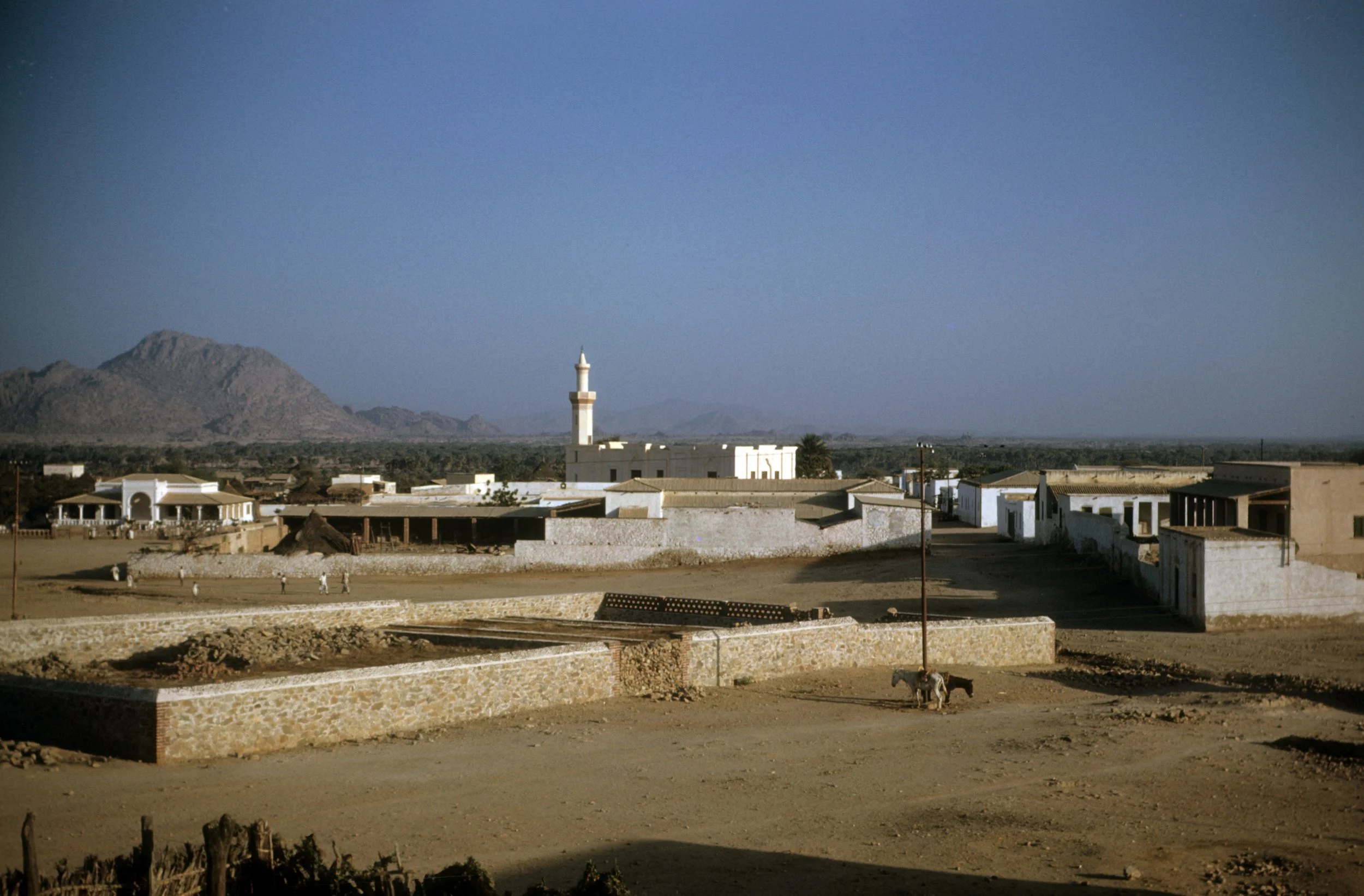
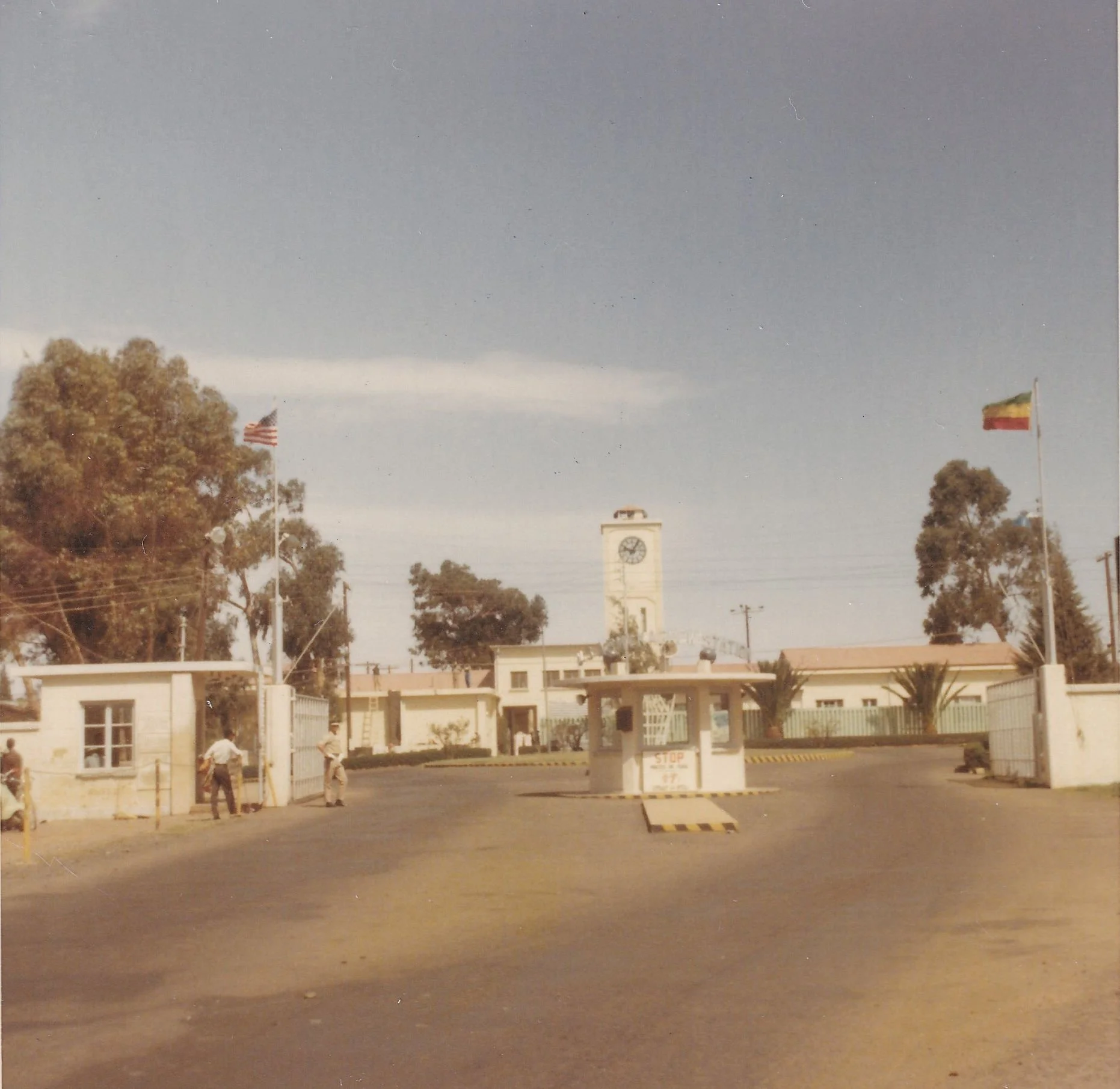
Kagnew Station was no ordinary overseas post. It had been strategically placed in Ethiopia in the 1950’s, and primarily used to intercept special intelligence via radio and satellite during the Cold War. By the 1970s, it had become an unwelcome symbol of American power, sitting in the middle of a foreign war zone, held together by bureaucratic habit.
It was the kind of place governments described with harmless words like “communications,” because to say “we’re listening to the world through invisible wires” would keep too many people awake at night.
The Army was preparing to turn over what remained of its communications complex to the Navy. The powers that be considered it necessary to keep the site’s circuits up and running while Washington decided what to do with it, but the hostilities surrounding the base were becoming more dangerous.
Rocket propelled grenades were launched on occasion, and Americans were targeted in kidnappings as Ethiopians and Eritreans used hostage situations to gain leverage over American decisions.
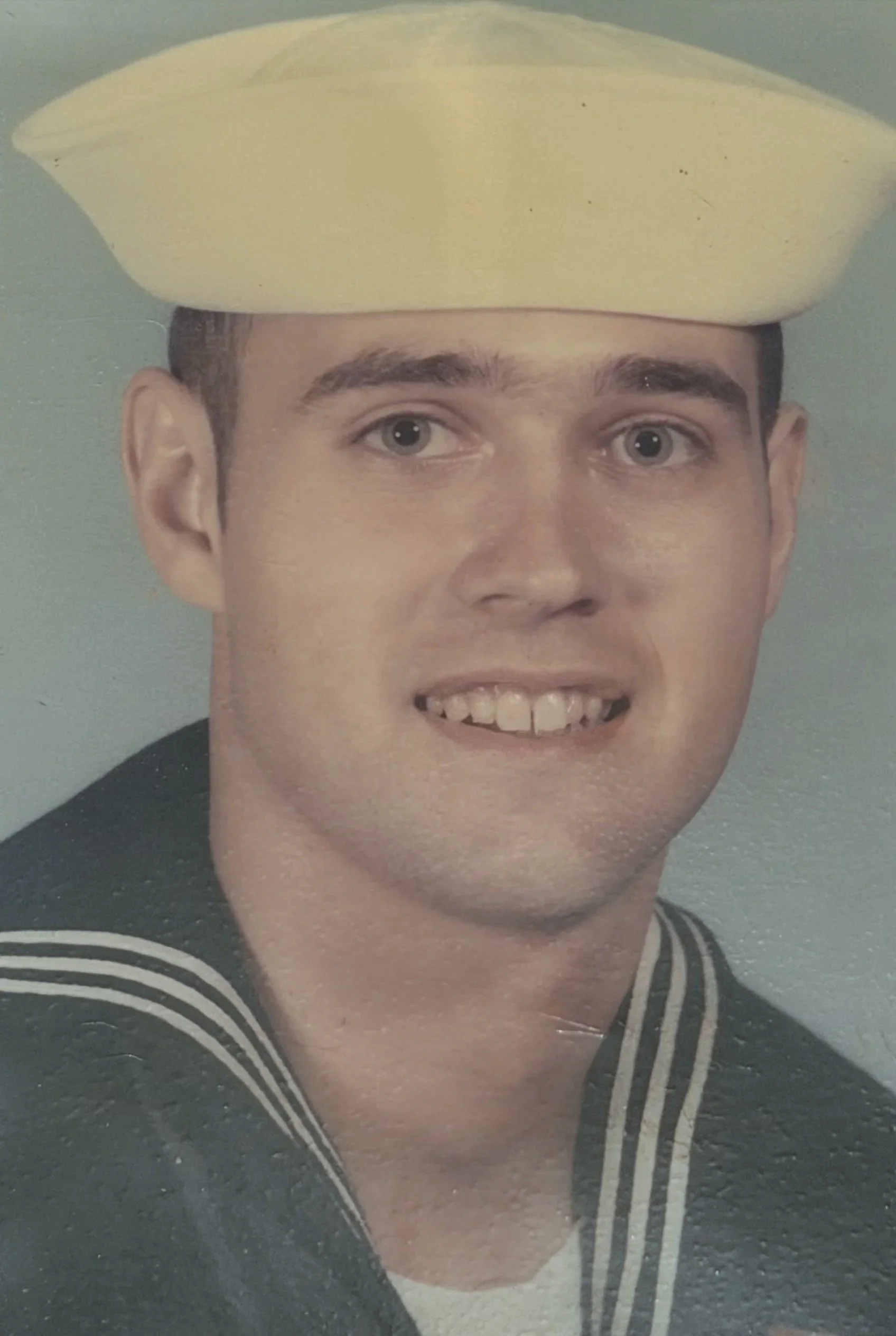
When Randy crossed the Red Sea at the age of 20, he knew there was a good chance he wasn’t coming back.
When Fear Becomes Anger
It’s important to understand the connection between fear and anger. After centuries of survival, humans have learned how to manage fear. We either try to destroy it, or we try to escape it. The strategy we choose comes down to whatever we believe will get us to safety the fastest.
But if safety is not readily available, staying in fear begins to feel unbearable, especially when we feel trapped or ashamed for being afraid. So the mind looks for a way to regain strength.
That’s when fear turns into anger.
Anger is much less frightening to feel than fear because it feels more powerful. Fear pulls inward; anger pushes outward. Fear feels like being at the mercy of something. Anger feels like doing something about it.
That’s why, when people snap, it often has less to do with the size of their problems and more to do with feeling terrified and powerless inside their circumstances.
However, in situations when a person knows their life depends on keeping both fear and anger under control, even when everything inside of them is rushing and beating against their chest, another survival mode can decide to step in.
Arrogance.
Pushing the Limits
By 1974, the Army had mostly withdrawn, but Navy personnel remained. The American presence was shrinking, but it was not gone, which made the military community feel even more exposed. It was as if the locals were watching the big bad wolf pack his bags, wondering what would happen next.
The Americans living at Kagnew Station were well aware of the danger surrounding the base. The general consensus was that even a polite American might still be resented. A careless American might be tolerated. But an American who showed disrespect was begging for trouble.
About a year into the operation, Randy had learned to mostly keep to himself. When he wasn’t working he stayed tucked away in his bunk, reading books and writing letters to Susan. But when Susan never responded, it broke his heart in a whole new way.
By his second year the ache had started to fade, and he did what he could to survive one day to the next. Eventually, he began leaving the base more often to explore the world (and the women) outside of it.
Then the thing happened.
Late one evening, Randy was riding a motorcycle around the local town when he came to a stop light. A car full of Eritreans pulled up next to him and began to heckle him. If they had been openly aggressive, his fear might have told him to do nothing; to keep his head down and get the hell out of there. But they taunted him instead, and another part of him woke up—the part that almost enjoyed proving how unaffected he was by mockery and intimidation.
Randy looked over with no expression and revved his engine. Roars of excitement erupted from the car as the driver revved his engine right back.
Randy claimed he was never planning to race them. He only wanted them to think he was, and once they sped away he would take the next turn and try to lose them. As if it was an episode of the Roadrunner and Wily Coyote.
The anticipation of a green light magnified their rowdiness with each second. When the light turned Randy watched them screech ahead as he took off in another direction. The dupe made them furious. The driver whipped the car around, followed Randy down the road he had turned onto, hit him with their car, and threw him from his motorcycle.
One way or another, they found marijuana in Randy’s pockets, beat him, and then had him arrested. He was thrown into an Ethiopian jail, where he was beaten again. He was left in there for three days before one of his officers got word of his whereabouts and bailed him out.
Randy was humiliated. He knew his arrest wasn’t noble by any means. His officers piled ridicule on top of him like a stack of bricks, as he stood in uniform with a black eye and broken ribs. Nothing was said to address the part of him that believed 24 hours ago he was going to die in a foreign jail. Because from a position of power, he was just a dumb kid who had brought it on himself. No consideration was allowed.
But that was the problem. Affectionately, he was a dumb kid. And he was being asked to show up as an experienced adult in a foreign country, handling things like special intelligence. When he wasn’t developmentally equipped to live up to their unreasonable expectations, he was chastised for it, and left to wonder how he had become so rotten.
The situation didn’t improve. Later that year, two American technicians were kidnapped while walking outside the base. They would eventually be killed.
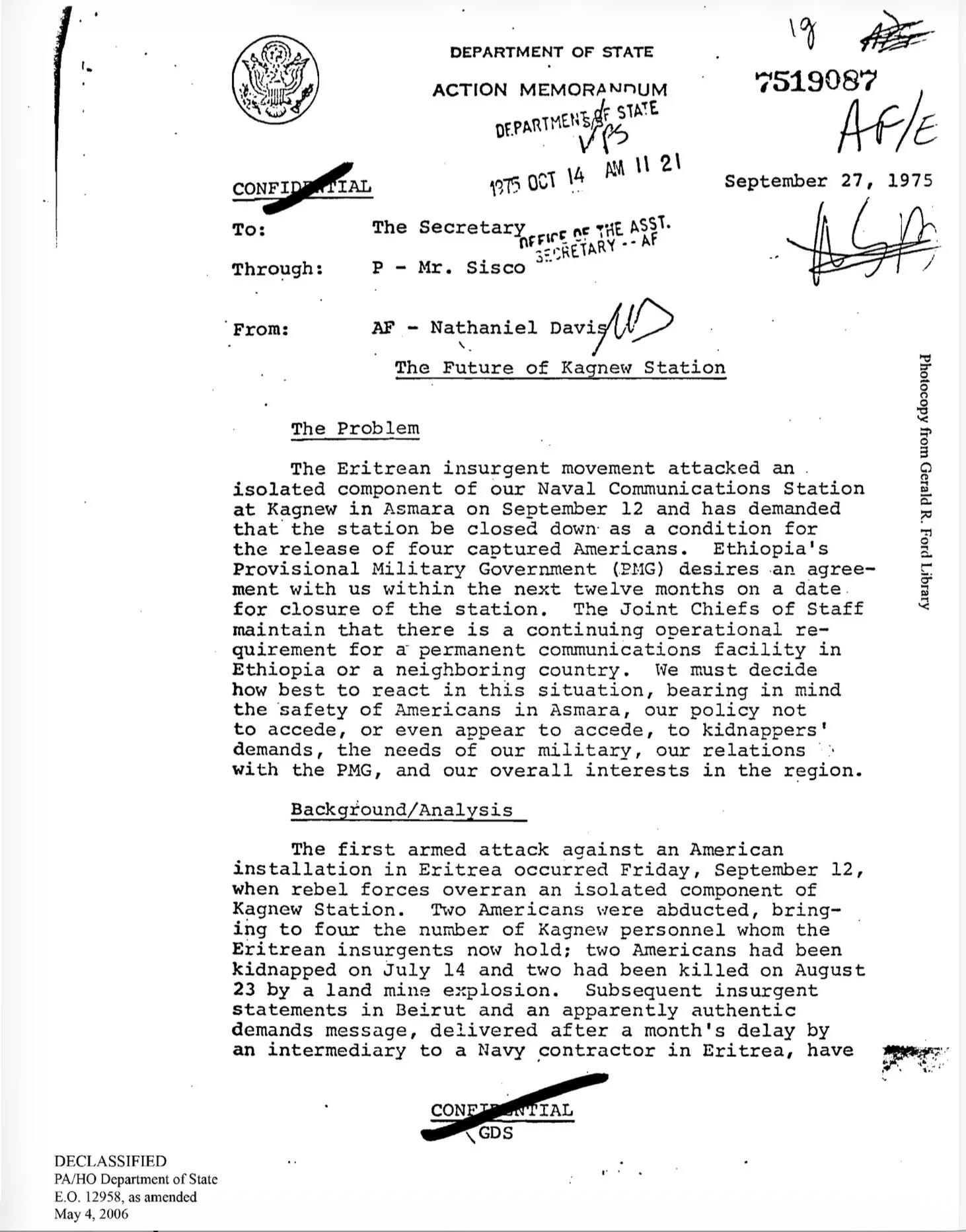
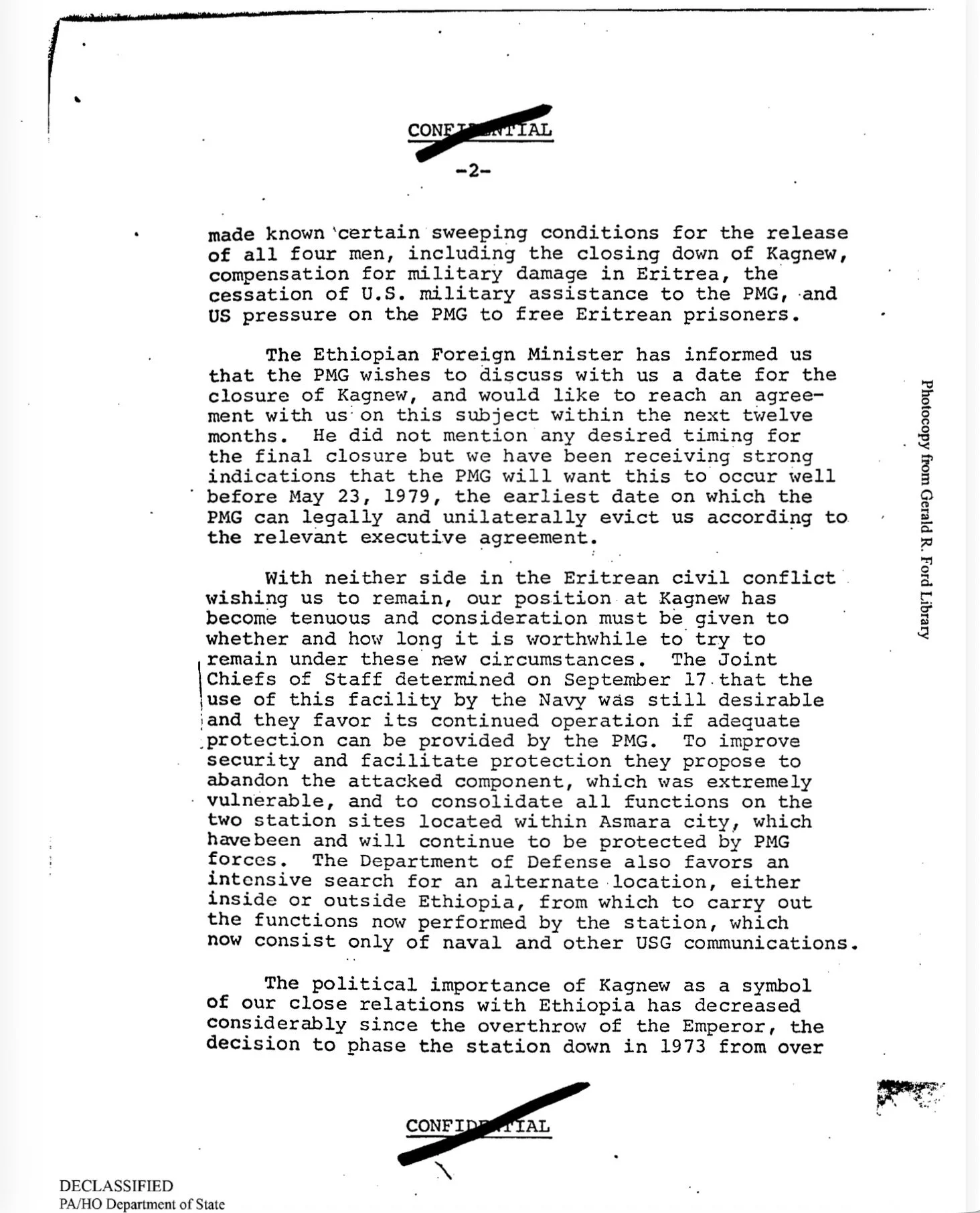
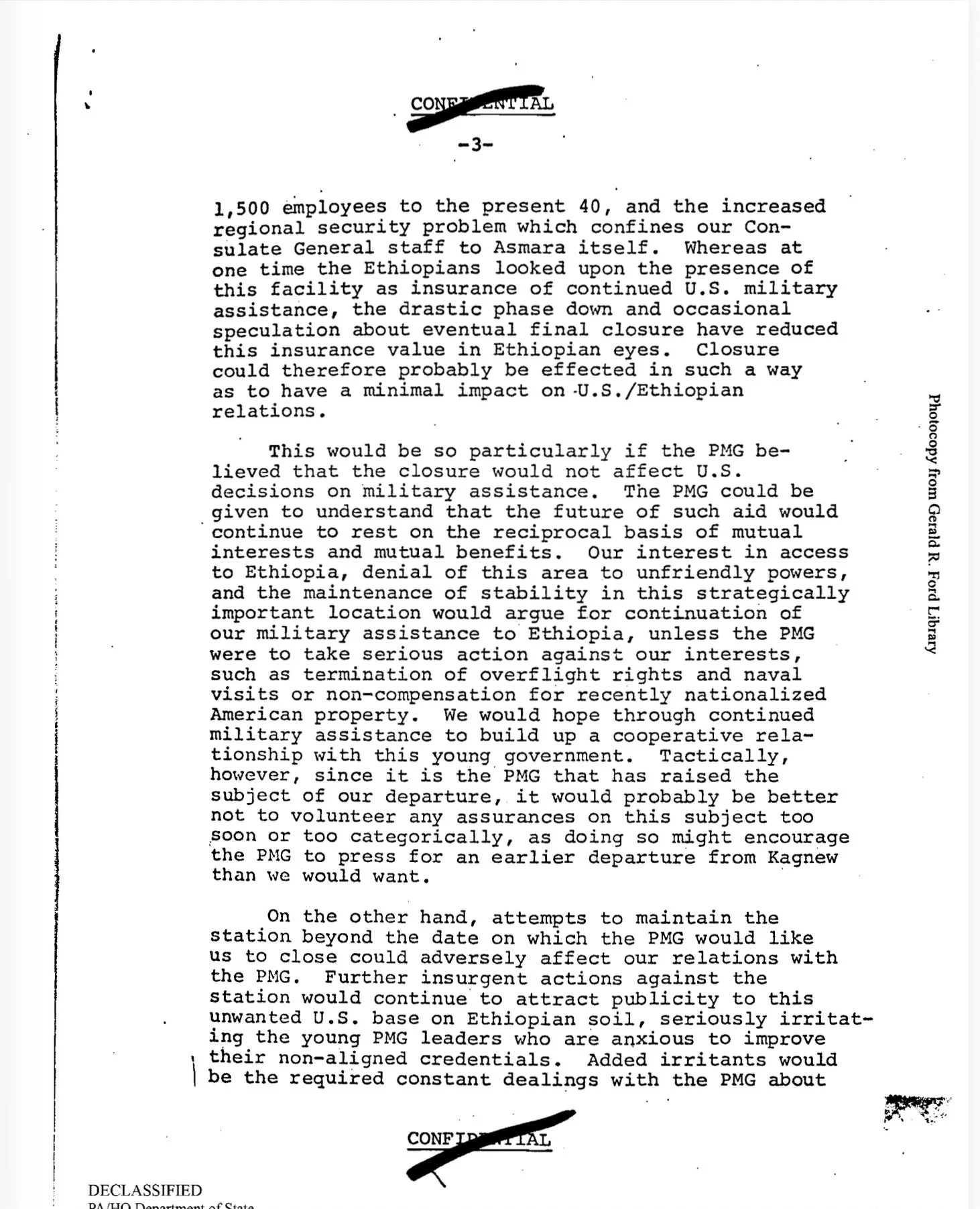
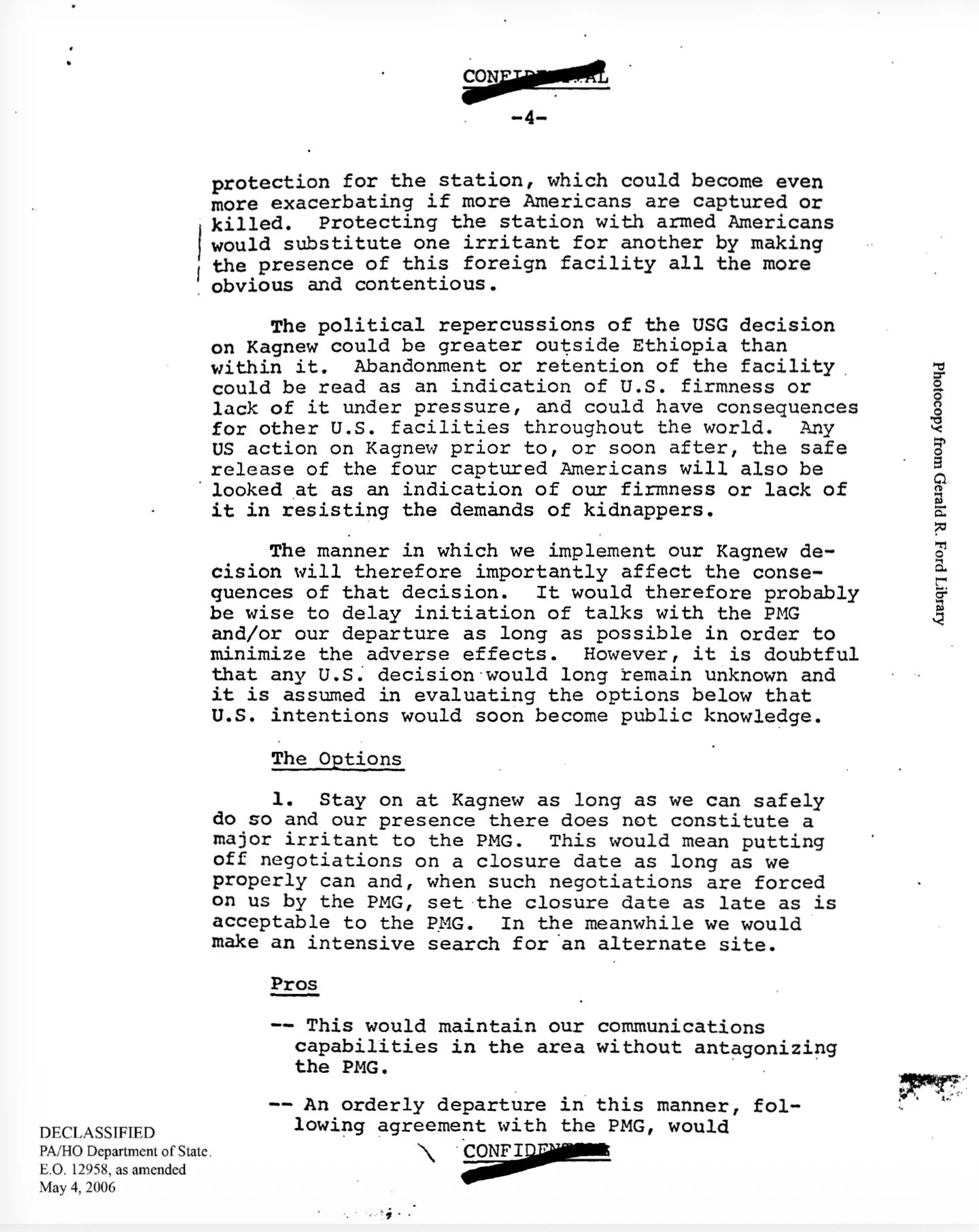
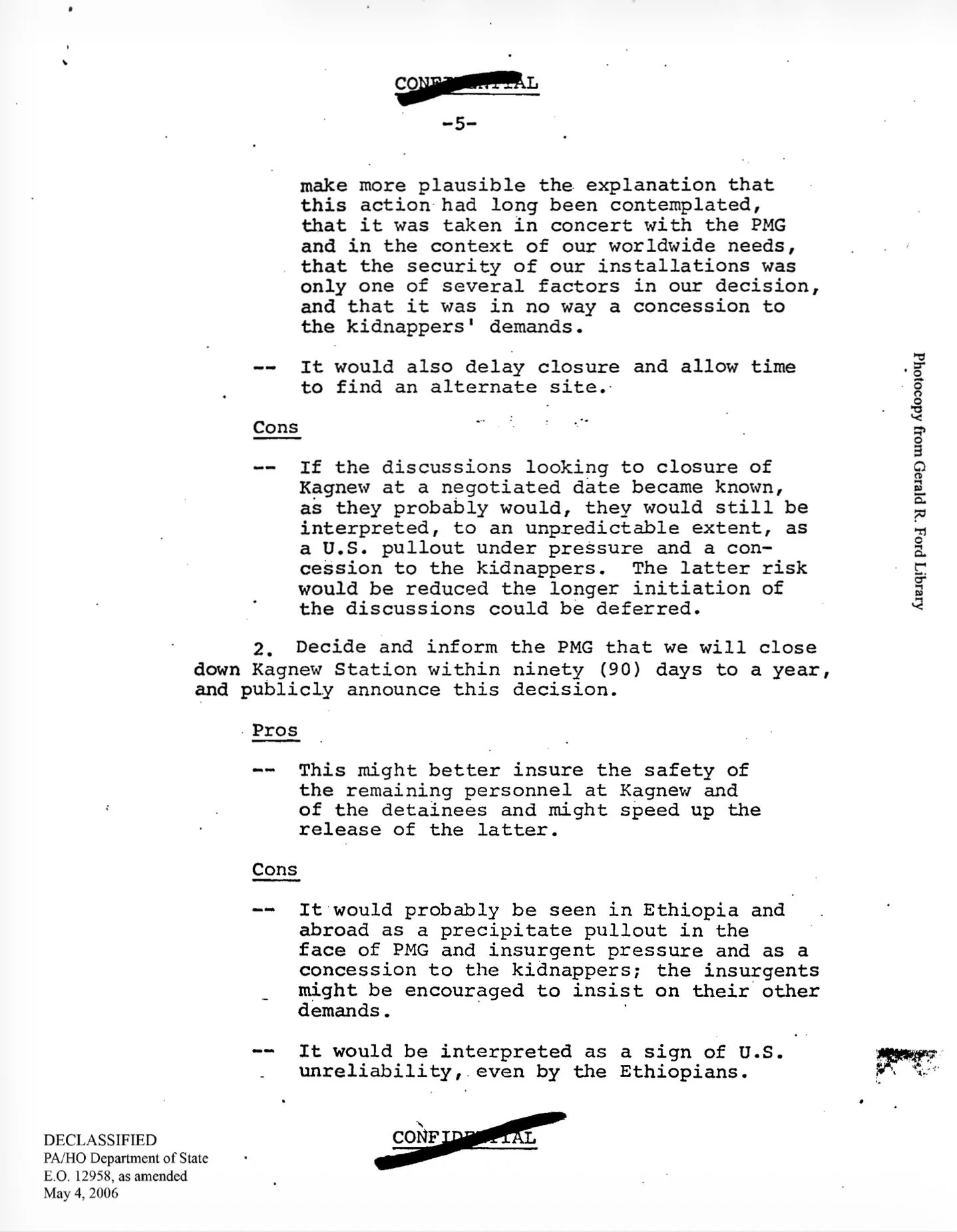
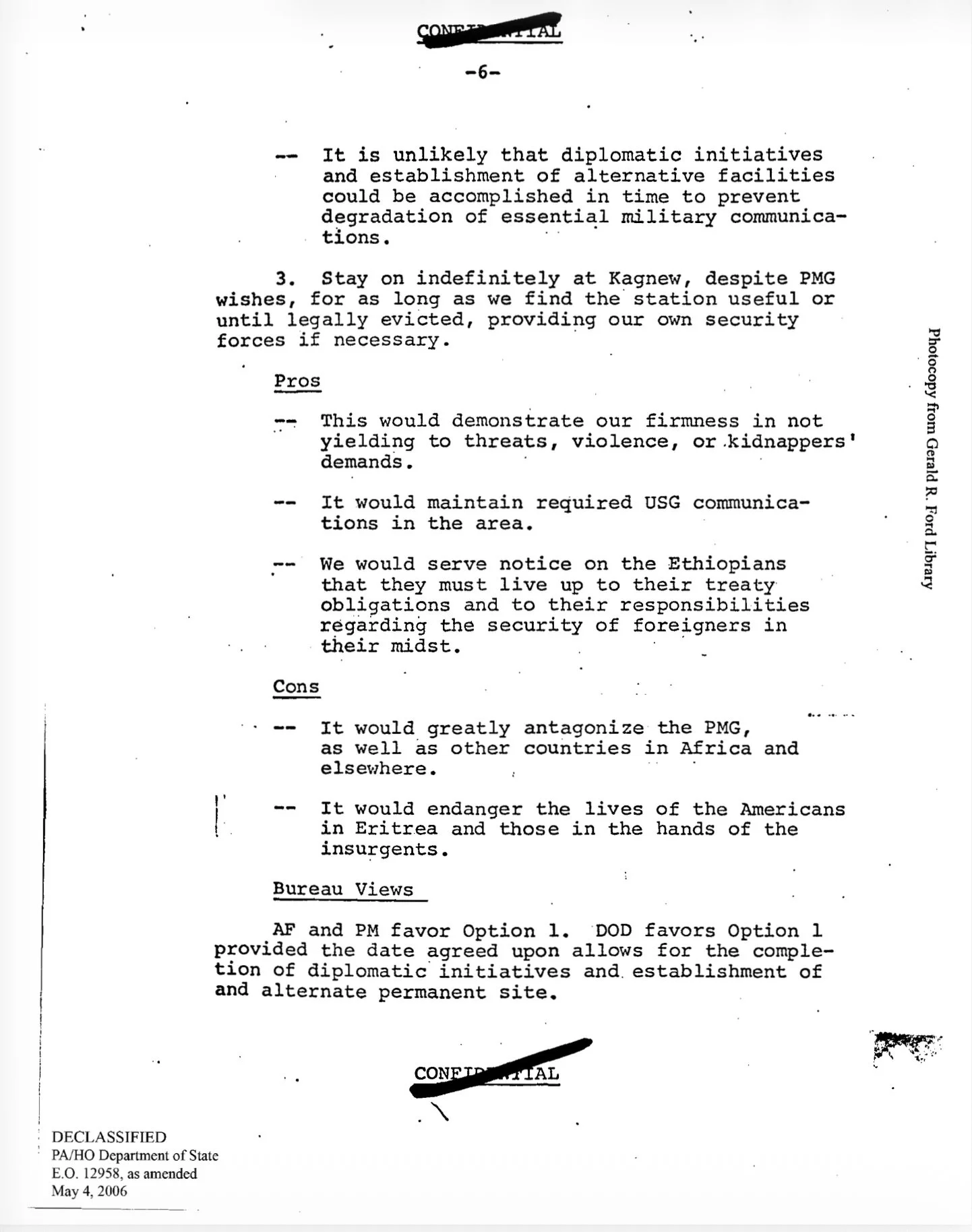
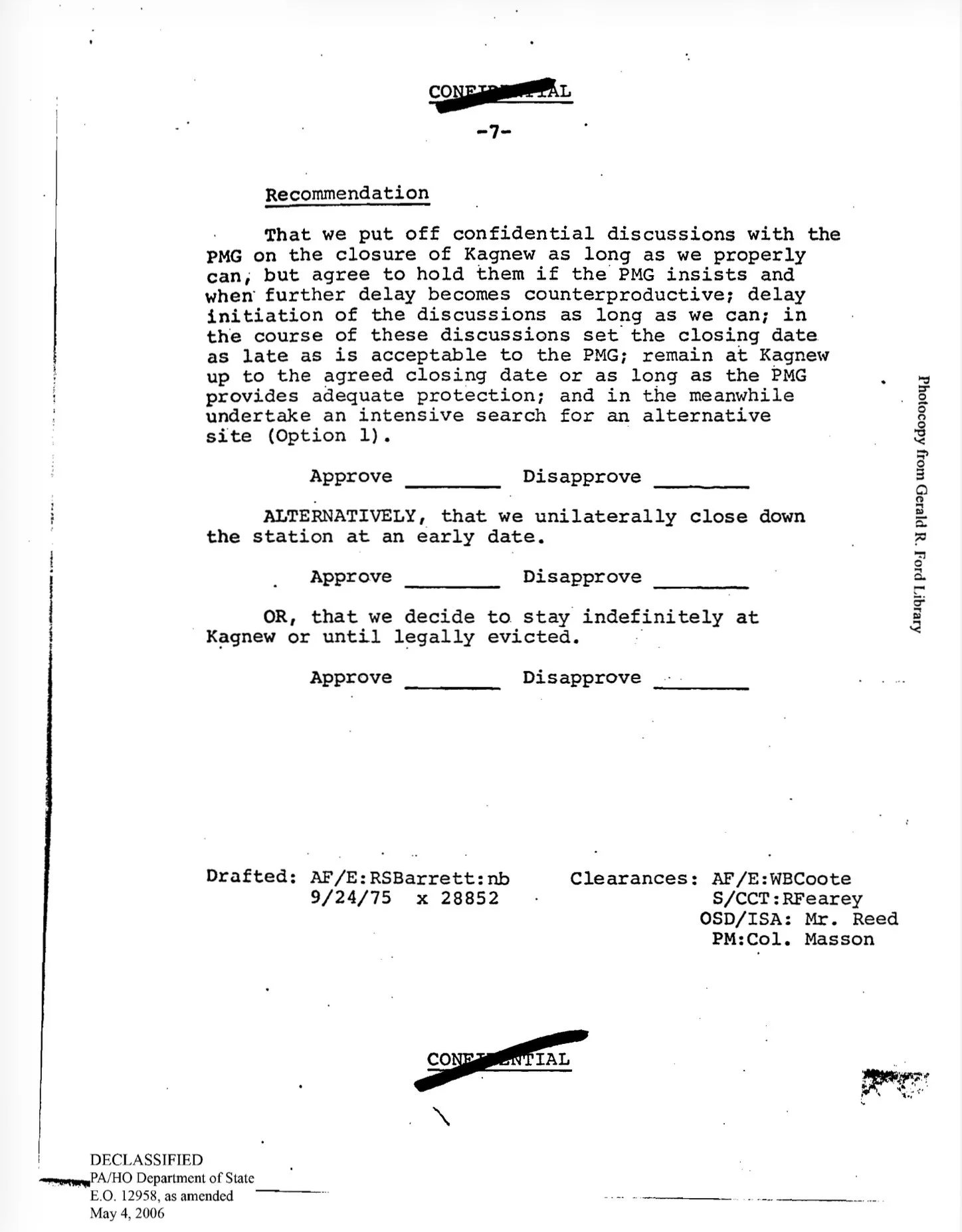
A month later, Eritreans broke into Kagnew Station in the middle of the night and kidnapped two men from their beds, just feet from where Randy was sleeping. One was with the U.S. Army. The other was with the U.S. Navy. When Washington got word of the situation, officials began discussing ways to close the base quickly without making it look like they were surrendering to the kidnappings.
It took me some time to put all these pieces together. It took even more time before I could sit with the very real possibility that my father’s lapse in judgment may have ignited the push for extreme violence. It’s hard to know for sure, of course, but if there was a connection, this would have devastated Randy internally. So much so that he might have tried to dismiss it as part of the reality, while rewriting a version that would feel more comfortable.
This situation would come back around in 25 years.
In the end, the base would be completely vacant by 1977. The group stationed there from 1974 - 1976 would begin the process of shutting it down.
One might imagine that closing a communications facility meant unplugging equipment, removing all forms of U.S. intelligence, and loading everything up to take home.
But Randy had his own methods for closing down the base. He and a few other Navy men began ripping commodes out of the bathrooms and throwing them out the windows. They spray-painted the barracks with profanity, and someone stole a flag.
They ended up with citations, of course, which were added to their government files. Also included was Randy’s discharge paperwork, which plainly stated:
“Not recommended to return to military service on account of a character disorder.”
Of course, that part of the story was left out when he told it to my brother and me, and I wouldn’t discover the truth until much later, when it no longer made a difference.
Declassified documents between government officials discussing the issues at Kagnew Station.