Look Inside the Confusion.
It’s where the light still shines its brightest.
by: Elizabeth Gray
For my Dad.
Who inspired everything I ever wrote.
Have We Been Living a Lie?
It’s easy to assume reality primarily exists in what we see in front of us—yet the complete truth always takes into account the unseen and unspoken. It moves through time holding a silent force that refuses to be ignored, no matter how easy it may be to do so; and it’s willing to remove any barriers that get in the way of making itself known.
Even if that means destroying life as we know it.
And only so it can build it back up again.
“History is so much more than a chronological listing of names, dates, and places. It is a story about how the past came to be and how, ultimately, it gave birth to the present.”
— Dan P. McAdams, The Stories We Live By
How Did We Get Here?
Part 1: The Undercurrents
Reflections on the deeper truth of our American history, and how we’ve adapted from one generation to the next.
Where Did We Come From?
Part 2: The Lives They Lived
A family’s legacy of survival; the hidden truths they carried; and the generational patterns that developed as a result.
Featured: The Lives They Lived
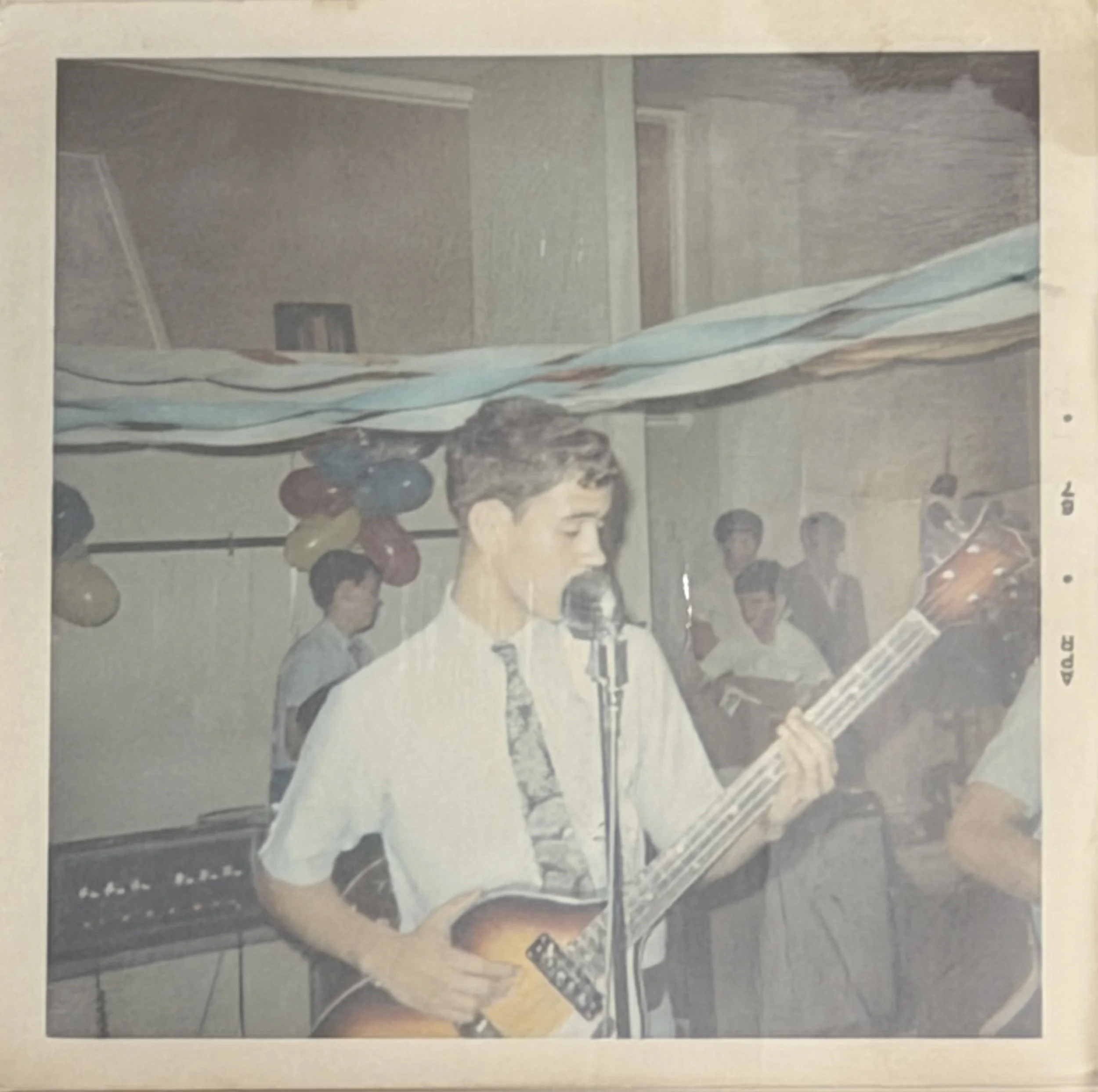
Chapter 4: The Lost Identity
Chapter 5: Coming Soon
Chapter 1: The Early Years
Chapter 2: The Age of Love
Chapter 3: The Draft