The Questioning of the 1960s & the Defiance of the 1970s
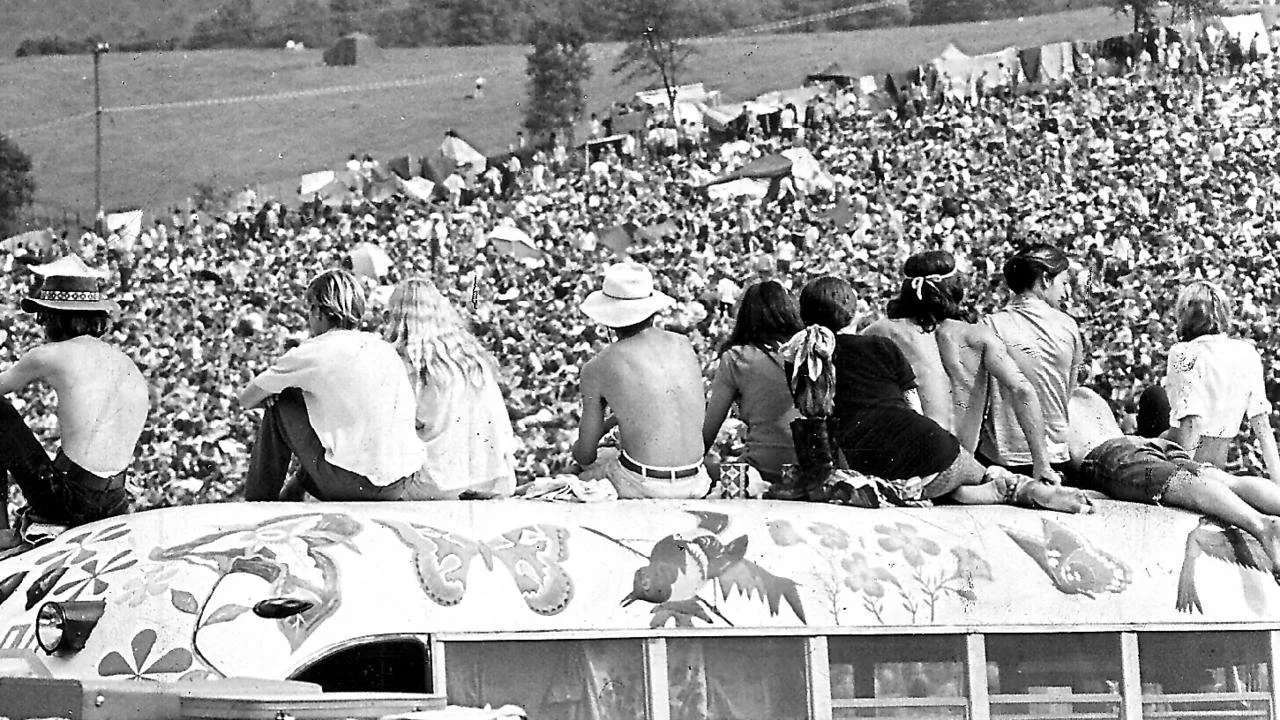
The Questioning of the 1960s
The generation growing up in the 60s would never see the world the way their parents had seen it. They had inherited America’s comeback story with suburban lawns; patriotic rituals; college dreams; and shiny appliances.
Then, Vietnam arrived and everything was called into question.
Vietnam was not merely a war, it was a national betrayal. It couldn’t offer the clean moral architecture of World War II, with its obvious villains and heroes. Instead, Vietnam asked young men to kill and die in a conflict whose purpose kept shifting under their feet. They were ordered to sacrifice without honesty or clarity, but still with obedience. And, somehow, the people in charge couldn’t imagine a world where people of lesser political importance would ever think of refusing an order.
And yet, we claimed the master/slave mentality had been eradicated.
The fury that multiplied among those who refused to keep quiet was about more than a foreign policy disaster. It was an emotional rupture that deformed everything they had been taught to believe in. Where the older generation still trusted the system and everything it stood for, the younger generation looked at those same systems and saw the scheme hiding behind it.
If they were going to be asked to believe in something, it needed to be true.
Otherwise, every lesson about duty began to take shape as compliance; and what their parents called patriotism, began to look more like a performance. Once that suspicion entered the generational bloodstream, it spread quickly. Young Americans began questioning not only the war, but also the entire arrangement that surrounded it.
America had been singing the praises of freedom for more than a decade, while its citizens were beaten and barred, then told to wait politely for justice. It claimed democracy, while drafting boys into a war many couldn’t vote for or morally understand. America celebrated prosperity, while poverty remained tucked away in places most had learned to avoid.
Disillusionment tends to be a slow and steady process, rarely arriving as a single lightning bolt of understanding. Instead, it builds on one contradiction after another until a pattern appears. Once the pattern has been noticed, naivete is dead, and the pain of our dissolving innocence creates an emotional reaction best described as volcanic rage.
It’s a remarkable paradox that as one generation built a new world of abundance, the next one was left to examine whether or not it felt morally complete. Without knowing it, the surviving veterans of WWII had created an environment that was optimal for a rebellion. And the common thread between the two generations was that neither had learned how to hold contradiction without shattering.
And shatter they did.
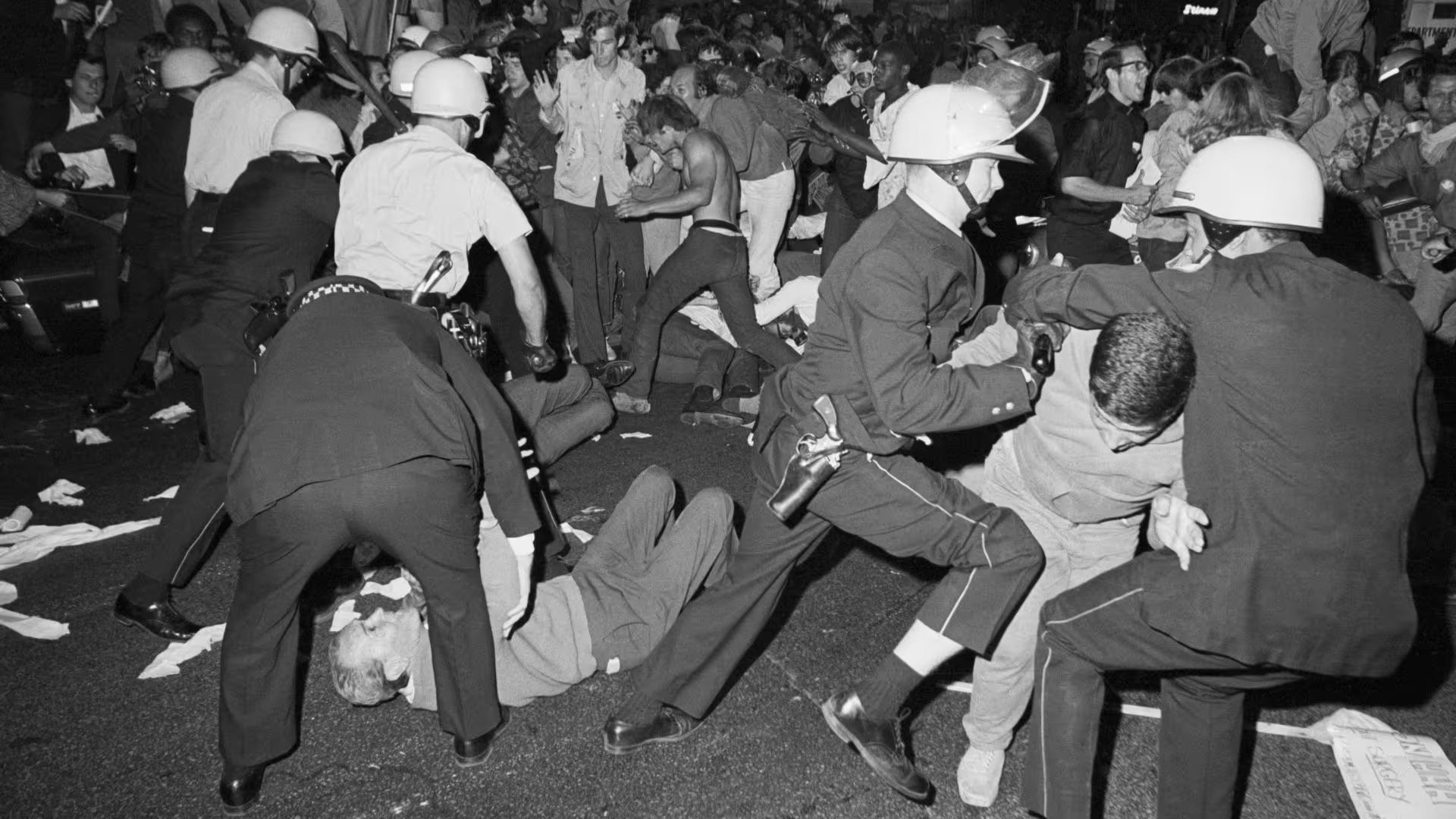
photo: history.com
The Defiance of the 1970s
By the 1970s, the growing suspicions that many Americans once dismissed became an unquestionable reality. After revelations concerning the Pentagon Papers and Watergate, the scandal had thrown gas on the fire of skepticism, exploding it into widespread cynicism. Once Americans concluded that their government could be deceptive, self-serving, or untrustworthy, they were left to wrestle with heightened levels of fear they had spent their lives believing didn’t—or couldn’t—exist.
Under these circumstances, teenagers and young adults bonded over defying authority figures, as if it became their second language. It brought a sense of solidarity, and every outcry sent a deeper message: let’s burn this thing down and rebuild it our way.
For families who hadn’t quite lived up to the sweet story of stability, the 70s poured salt on the deepest wounds. For children already navigating the emotional impact of their father’s suppressed rage, drunken chaos, or the quiet tyranny of “I’ll give you something to cry about,” the national disillusionment felt amplified and painfully familiar.
A question swirled in the most impressionable minds, yet was never asked out loud. If the people who promised to protect us turn out to be the ones willing to hurt us, how safe can we be?
That was the deeper wound of the era. The collapse of trust was not only political; it was intimate. The country’s public betrayals echoed the private ones people had been swallowing for years, and the collective population was being asked to acknowledge what had been festering behind closed doors all along: denial, control, secrecy, rage, and the demand to keep pretending it was best for everyone.
When the volcanic rage was ready to blow, it knew no bounds, and it sent the message, we can–and will–do whatever we want, and you can’t stop us.
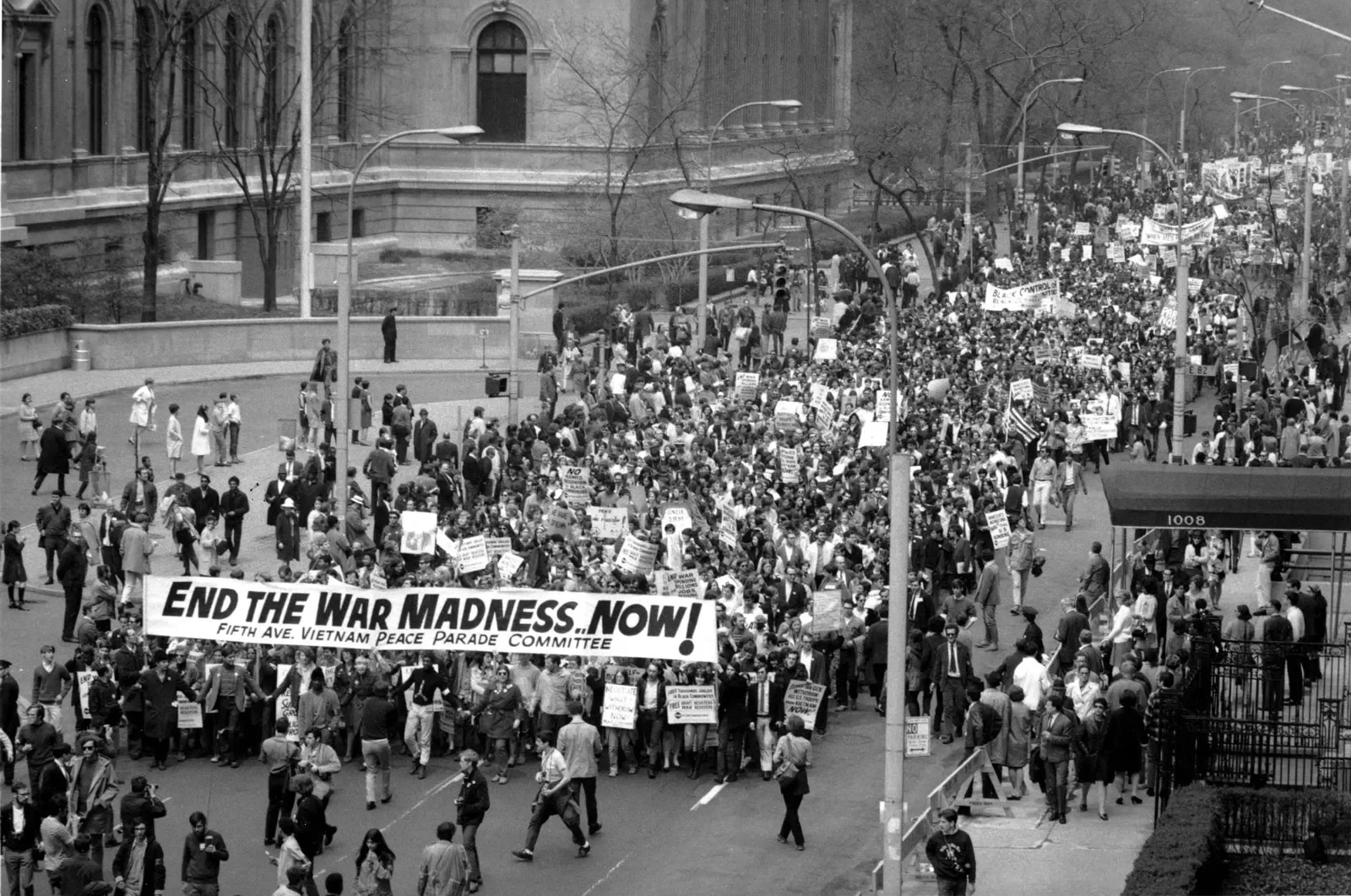
photo from Brittanica.com