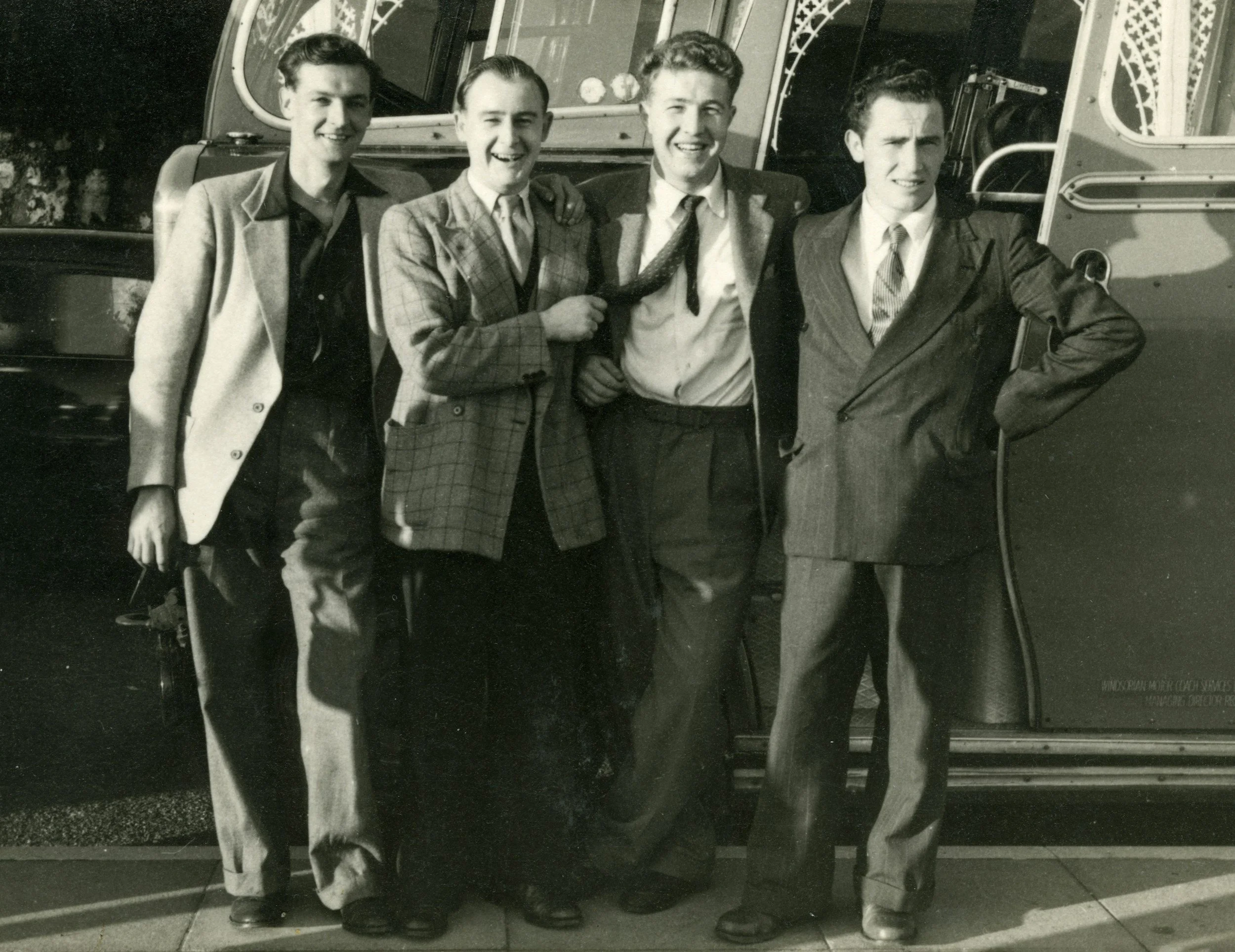
The Promise & Shadows of the 1950s
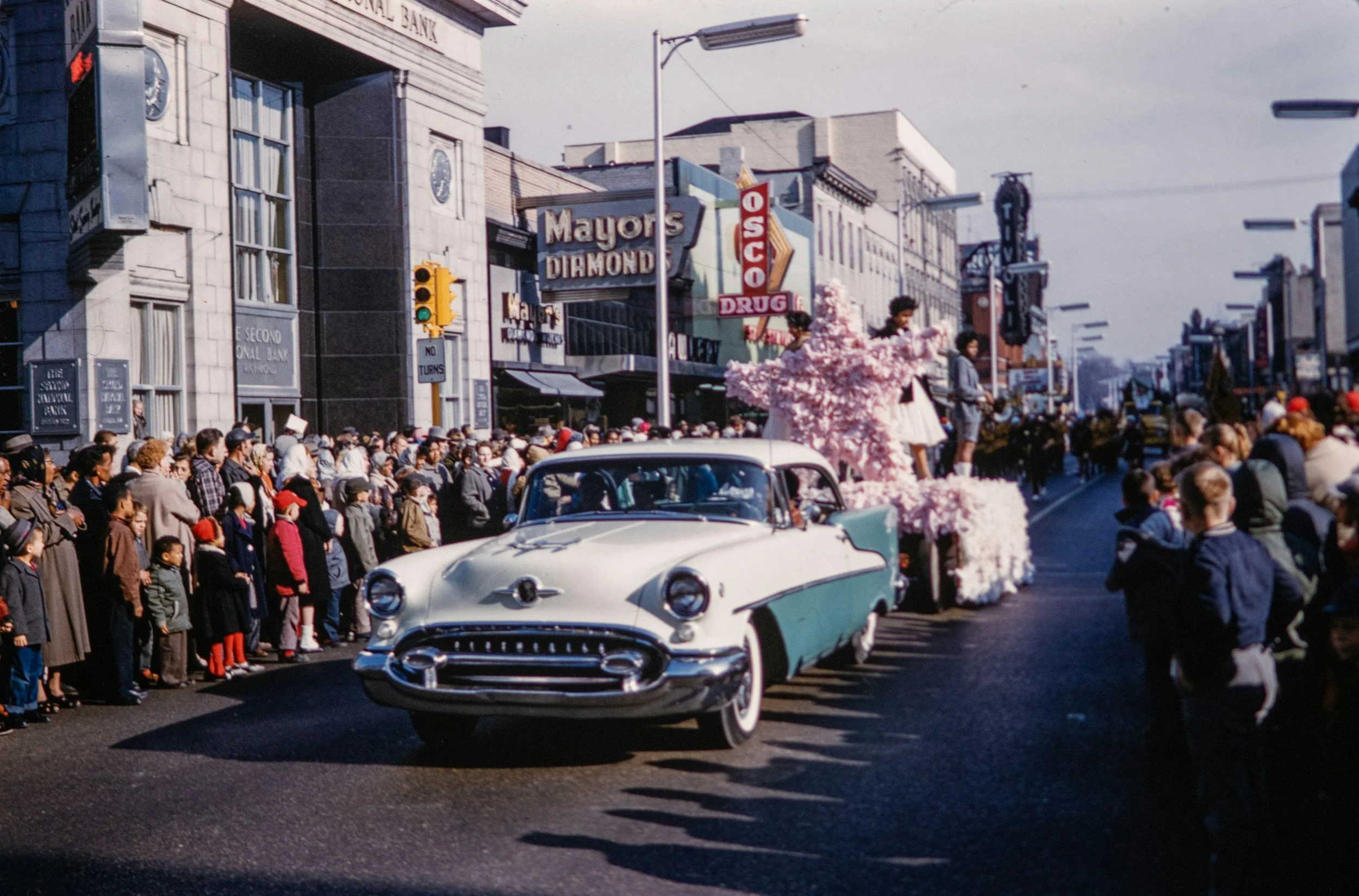
The 1950s live in American memory as a decade of optimism and wonder. After the hardship of the Great Depression and the sacrifices of World War II, stability finally seemed within reach. Families bought homes, businesses expanded, and a growing middle class embraced the promise that hard work and good character would lead to a better life.
But beneath the boom of confidence lingered the emotional residue of everything that had come before.
The men and women who built the postwar world were carrying memories of economic collapse, war, loss, and uncertainty. Yet the culture offered few, if any, opportunities to confront those experiences directly. Strength was measured by endurance. Respectability was measured by appearances. The expectation was not about making sense of what they had lived through, or how it would continue to show up in their lives. The expectation was to move on–and quickly.
For many, that approach worked well enough. It created strong communities, stable families, and a shared sense of purpose. But it also encouraged silence around pain, conflict, and unresolved trauma. The result was a society that excelled at creating order while often struggling to acknowledge the fear that hid beneath it.
The optimism was genuine. As were the lingering shadows.
So while the 1950s appeared clean on the surface, many of the tensions that would erupt during the 1960s and 1970s were already quietly taking shape.
A New Version of Manhood
For American men, the victory in World War II was more than a military triumph. It was a psychological win that ushered in an honorable identity.
For generations, male toughness had been forged through hardship. Men were expected to work with their hands, fight when called upon, and endure whatever circumstances demanded. Strength was measured by the willingness to sacrifice. Worth was measured by usefulness in moments of struggle. And by 1948, American men had helped defeat two of the most powerful military forces the world had ever known.
The message was unmistakable: America had won, and its men had become the most powerful beings on earth.
After the war, however, a new reality emerged. The battlefield was gone. The nation no longer needed soldiers to step up in the same way it once had.
Instead, the American economy needed consumers, and just the right sales pitch.
The Gift of Gab
The postwar economy created opportunities that would have seemed almost unimaginable to previous generations. Instead of spending their days under the strain of hard physical labor, increasing numbers of men found themselves in offices, showrooms, sales departments, and corporate organizations.
Success was no longer determined solely by physical strength or technical skill.
It increasingly depended on likability.
The rise of the salesman reflected this shift perfectly.
A successful salesman wasn't the toughest or even the most skillful man in the room. He didn’t need to be. But he was often the most charming. The most persuasive. The jolly good fellow who could make people feel important, build relationships, tell a compelling story, and of course, close the deal.
A career that offered this kind of lifestyle almost felt like a reward after generations of struggle. Business trips and hotels had replaced military deployments and bunkers. Company parties had replaced wartime gatherings. Golf courses, conventions, and cocktail hours had become the new arenas for competition and status. The culture encouraged men to dream not merely of military advancement, but of personal advancement.
That’s when the doors to excess flew right open.