The Price of Progress
Every generation is told that the world is improving.
New machines arrive. Railroads cut through mountains that once seemed immovable. Cities rise where farms once stood. Electricity spills into towns that had lived by lantern light for generations.
Progress moves forward with a confident voice.
But progress also leaves quiet wreckage behind it.
Every great transformation rearranges the lives of ordinary people. It changes the meaning of work. It redraws the invisible boundaries between classes. It decides, often without warning, who will rise and who will struggle simply to remain where they are.
By the time people realize how much has shifted, the world they were raised to believe in has already begun to dissolve.
And families find themselves trying to build lives inside a future no one prepared them for.
The Industrial Revolution
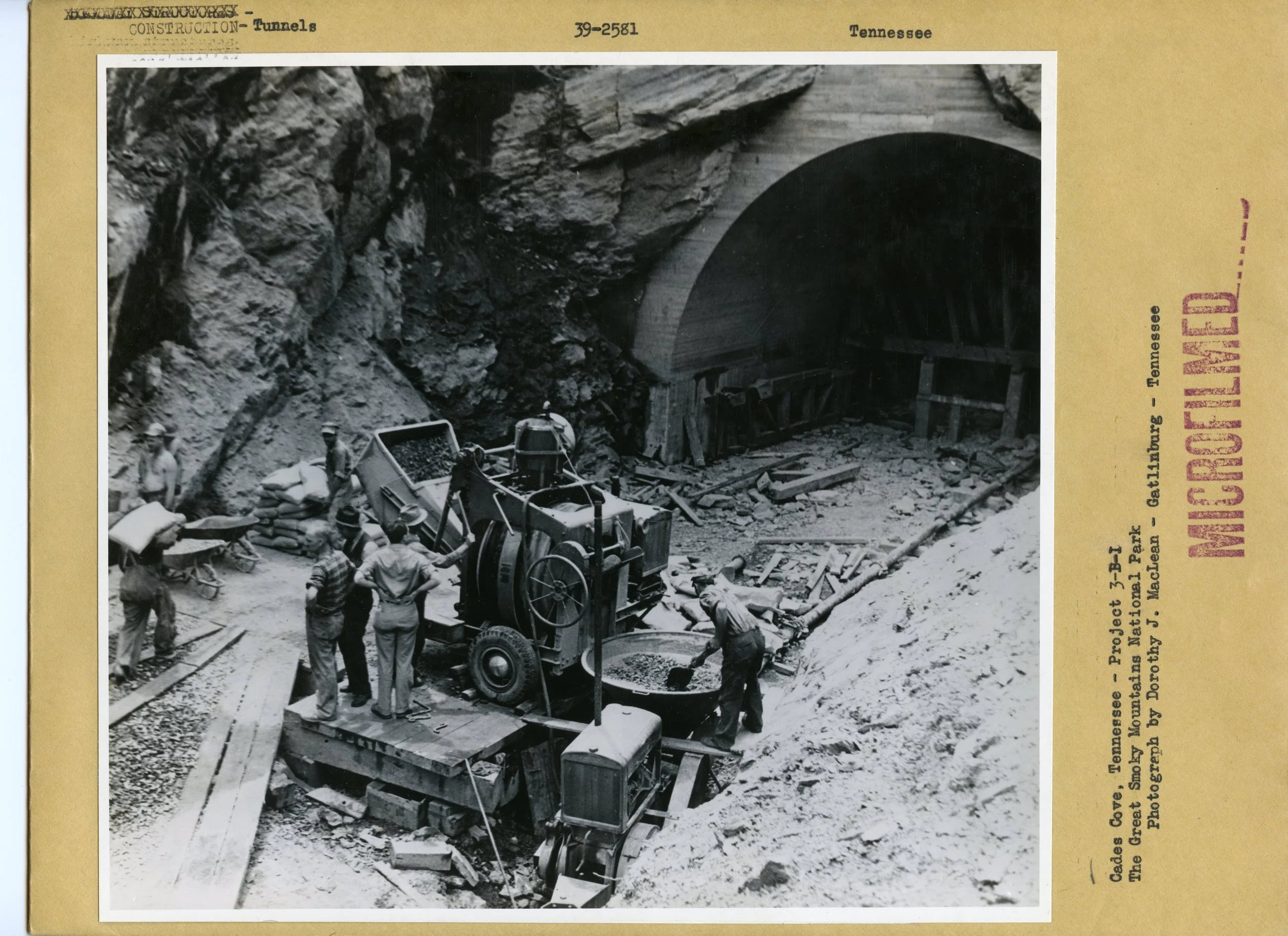
By the early twentieth century, the United States had entered an age powered by steel, coal, and electricity.
Railroads stretched across the continent like iron veins. Factories multiplied along rivers and rail lines. Small agricultural economies that had once sustained families for generations were slowly absorbed into national markets that rewarded scale, speed, and industry.
The country was no longer simply expanding.
It was transforming.
Old hierarchies began to loosen as new forms of wealth appeared in unexpected places. A farmer’s son might become an engineer. A shopkeeper might become a factory owner. Families who had once commanded respect within rural communities sometimes found themselves watching that influence quietly slip away as the center of gravity moved toward industrial towns and cities.
The Industrial Revolution promised opportunity.
But it also introduced a new uncertainty.
Because when the structure of an economy changes, the structure of society changes with it.
The Fear of Falling
In the South, where reputation and refinement had long defined social standing, these changes carried particular weight.
Certain families believed themselves the keepers of civilization—people of education, manners, and cultural polish. They measured success not only through wealth but through lineage and reputation.
Marriage, in this world, was not simply a personal decision.
It was a matter of preservation.
A proper marriage reinforced the order of things. It ensured that the future would resemble the past.
But beyond the edges of that refined society lived another world entirely: the world of mountain farmers who worked the land simply to survive. Their lives were defined by labor and endurance rather than polish. Their dignity came from the soil, not from social standing.
To Southern elites, however, they were often reduced to a single dismissive phrase.
Riff-raff.
And yet the industrial age had a way of unsettling these neat distinctions.
Because when the economy shifts, the meaning of class begins to shift with it.
And when class begins to shift, fear follows close behind.
Lola Mae
Roane County, TN
My great grandmother, Lola Mae, was raised inside the world that believed itself civilized.
Her family valued education, refinement, and the quiet authority that came from belonging to Tennessee’s respectable society. She was taught how to carry herself, how to speak, how to move within circles that understood themselves as guardians of culture and order.
But beneath that polished upbringing lived something more restless.
Lola Mae possessed a stubborn streak—a quiet refusal to be shaped entirely by the expectations surrounding her.
Her mother, by all accounts, ruled the household with firm authority. She believed in maintaining the family’s reputation and enforcing the boundaries that protected it.
Lola was expected to live inside those boundaries.
Instead, she stepped outside them.
When she met Elmer, the choice she made carried more than romance.
It carried rebellion.
Elmer came from the mountains.
His family had farmed the land not for profit but simply to survive. Their lives were tied to weather, soil, and the steady work of hands rather than the etiquette of polite society. His grandparents had once been respected figures in their community, but by the time Elmer inherited the family name, those stories had faded into memory.
There were whispers about his father.
Some believed he had been the son of a slave woman named Elizabeth McKamey.
Whether the rumor was true hardly mattered. In the rigid social world Lola’s family inhabited, suspicion alone could stain a lineage for generations.
To Lola’s mother, the situation was intolerable.
Elmer represented everything her daughter had been raised to avoid.
He was rough.
Unpolished.
The kind of man respectable families quietly warned their daughters about.
But for Lola, that may have been precisely the point.
In choosing Elmer, she was not simply choosing a husband.
She was rejecting the control that had defined her upbringing.
When she married him, she crossed a line her family believed should never be crossed.
And once crossed, that line could not be restored.
When the Storm Arrived
For a time, Lola and Elmer tried to build a life together despite the quiet disapproval that surrounded them.
But history rarely leaves private lives untouched.
When the Great Depression arrived, it moved across the country like a long winter that refused to end. Factories closed. Businesses failed. Entire industries stalled.
Men who had once supported their families suddenly found themselves wandering from town to town in search of work.
Elmer struggled inside that world.
Jobs came and went. The pressure mounted. Beneath it all ran a growing dependence on alcohol that made stability even harder to hold onto.
Eventually the strain became impossible to ignore.
With four children to feed and no steady income, Lola and Elmer had no choice but to move into her mother’s house.
For Lola, the humiliation ran deep.
She had defied her mother in order to marry this man.
Now she returned home with four children and a husband who could not provide.
The rebellion that had once felt like freedom now felt like consequence.
The Strange Turn of History
Yet history rarely moves in straight lines.
The same industrial world that had produced the Depression was also creating entirely new forms of work—work tied to science, engineering, and the expanding technological power of the modern state.
Eventually Elmer found employment in one of the most unlikely places imaginable.
He went to work for the Manhattan Project.
The same man who had once been dismissed as riff-raff became part of the most secret scientific undertaking in the country—an effort that would usher in the atomic age and reshape the balance of global power.
And there, among physicists and engineers building the future of warfare, stood the mountain farmer who had once struggled simply to find steady work.
History has a strange sense of irony.
The people who appear least suited to a changing world sometimes prove to be the ones who move through it most unexpectedly.
The Long Echo
Looking back now, the story of Lola Mae and Elmer reveals something larger than a single marriage.
The Industrial Revolution promised progress, but progress rarely moves smoothly through society. It unsettles older hierarchies. It rearranges status. It leaves families navigating a world whose rules are changing faster than anyone can explain.
Sometimes the lines between refinement and roughness dissolve entirely.
Sometimes the people once dismissed as outsiders turn out to be standing closest to the future.
Modern America still carries the echoes of that transformation. The tensions surrounding class, labor, and social belonging that shape our politics today are not new.
They are the long reverberations of an industrial age that reshaped the country while leaving many of its deeper questions unresolved.
Looking back now, Lola’s choice appears differently.
It was not only a rebellion against her mother.
It was a step into the unpredictable currents of a century that would transform the meaning of work, class, and identity in ways no one could yet imagine.
Because history does not move only through presidents and generals.
It moves through households.
Through marriages.
Through the quiet courage of people who choose love or defiance even when the future those choices create remains uncertain.
And sometimes the very people once dismissed as riff-raff are the ones who find themselves standing closest to history when it finally arrives.