The Price of Progress
What one generation builds, the next must learn to carry.
The Industrial Revolution
1875-1920s
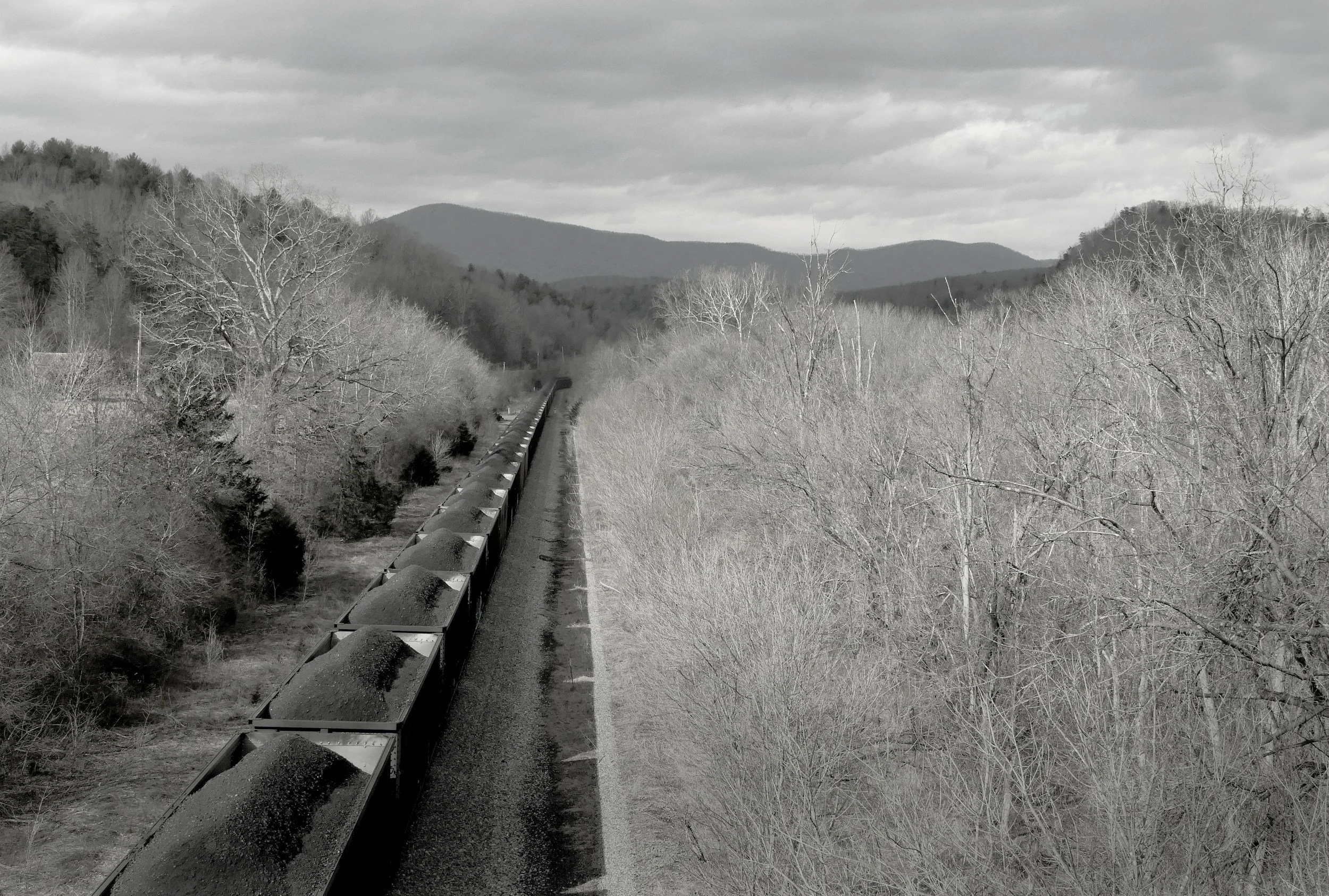
After the rupture comes the rebuilding.
There’s doubt that the Civil War left the United States broken in half. The people had been left economically strained, socially unstable, and in search of a new identity.
With the coming of a new age the United States proved that nations, and the people born of it, rarely stay down for long. The collective moved forward with decisive determination in order to reach in whatever direction promised stability.
So lo and behold, America turned toward industry.
Railroads stretched across the country, pulling distant regions into a single economic system. Factories were consistently being built in a multitude of cities. Steel, oil, and machinery reshaped how work was done and how wealth was created. Production accelerated, leading efficiency to become the ultimate measure of progress.
The most obvious change was seen and experienced in the new technology. Yet, the deeper and darker change was hiding in the American psyche.
Strength in Productivity
By this time, work was no longer simply a means of farming for survival. It molded the new American identity. A man’s role in boosting industrialization defined his overall value in society. It defined his level of discipline, endurance, and skill. If a man wasn’t part of the progress, he was seen as weak, and therefore, worthless.
This shift reshaped social structures.
A new hierarchy emerged that was no longer solely based on heritage, but on economic mobility. Some individuals rose rapidly through industry, accumulating wealth and status through innovation and labor. Others remained in physically demanding work, their efforts essential but rarely rewarded with upward movement.
Still, in the backwoods of East Tennessee, farmers resisted the change. The promise of progress was real, but opportunities were incredibly uneven.
And beneath the surface, a quieter tension remained:
Was this new system offering freedom — or simply replacing one form of constraint with another?
A New Age of Rebellion
The Industrial Revolution did not unfold the same way for every family. For some, it created opportunity. For others, it exposed the limits of how far one could rise.

Lola Mae Davis & Elmer Crass
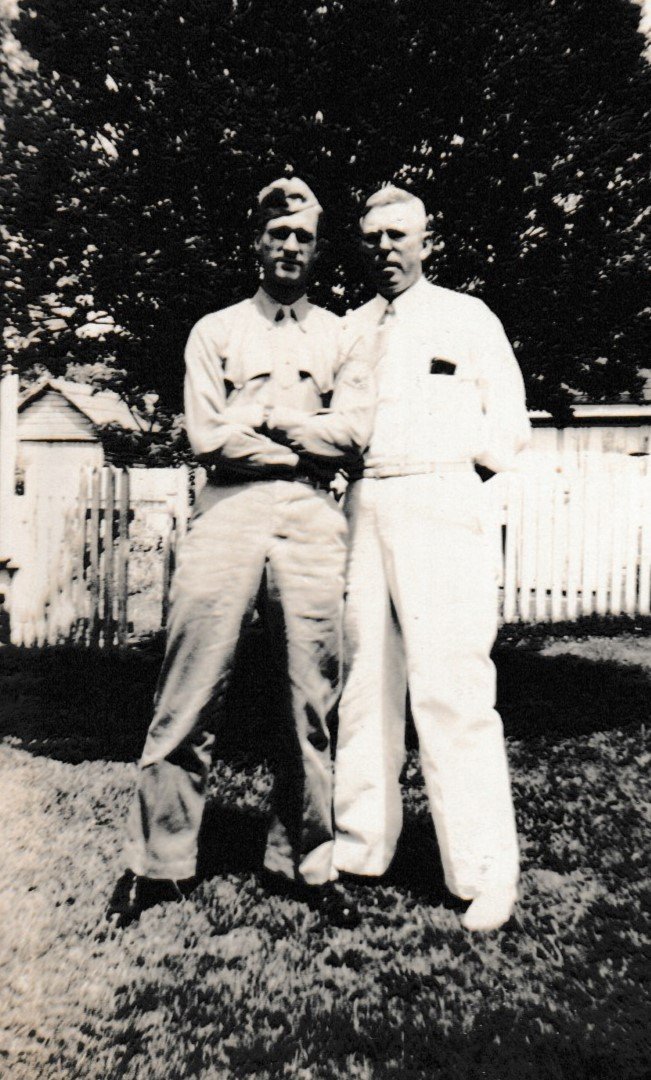
John Lee Gray