By Homeland
-
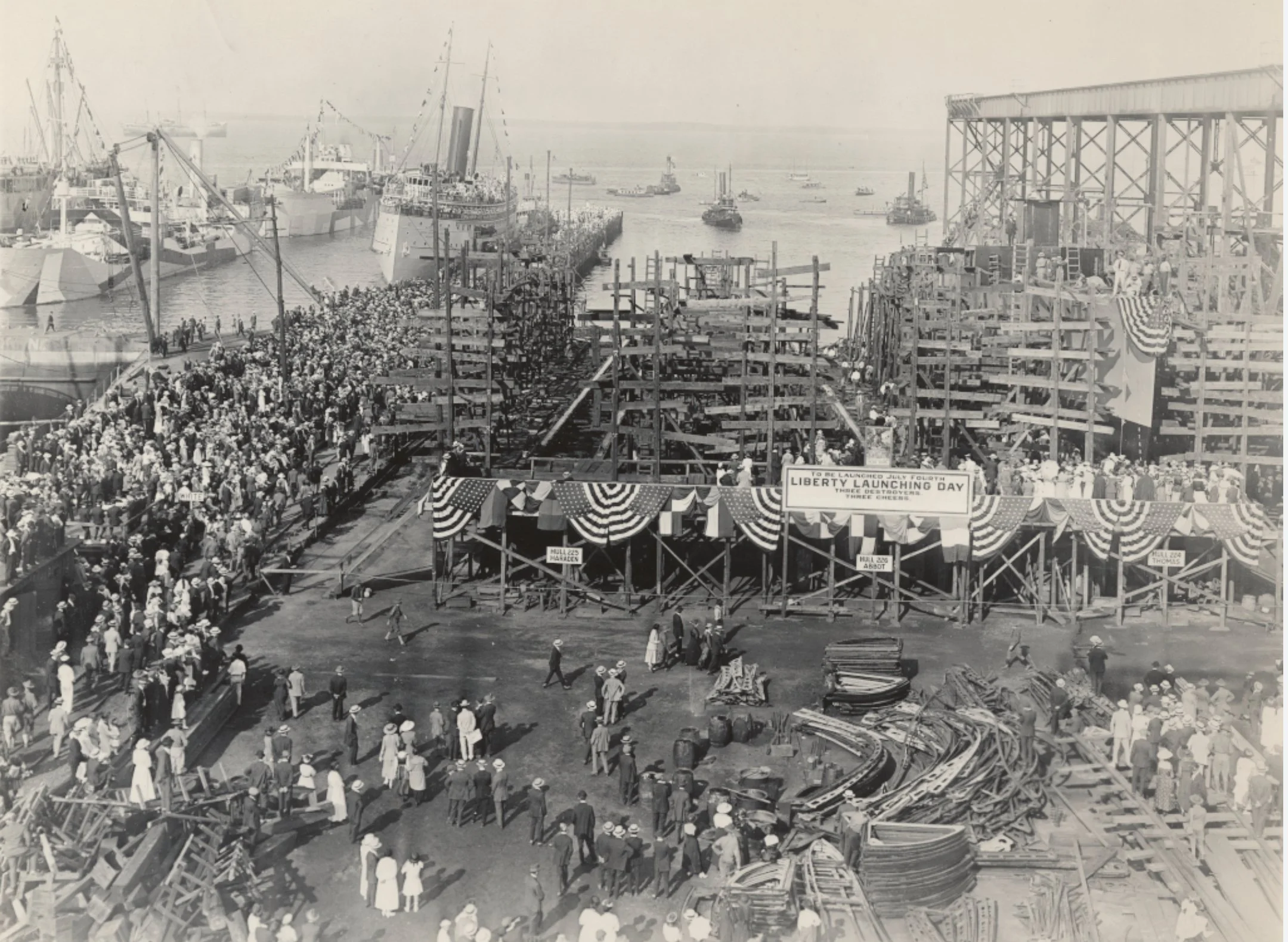
Newport News, Virginia
Until 1865, Virginia had been the jewel of the Confederacy—home to its capital, its generals, its pride—and so her fall was the most dramatic. Richmond lay in ruins, and the fields were stripped bare. To walk her roads was to walk among ghosts.
Yet humiliation quickly hardened into something else: myth. Virginians began spinning their loss into romantic legend, casting Lee as a saint, the Confederacy as a noble cause betrayed rather than defeated. This was the birthplace of the “Lost Cause”—a veil of honor pulled over the graves, yet the veil itself was woven with violence. Freedmen who sought dignity and independence were met with lashes or a noose, as if every act of brutality was a way to rewrite the outcome of the war. In Virginia, memory itself was sharpened into a blade, and nostalgia became a weapon.
-
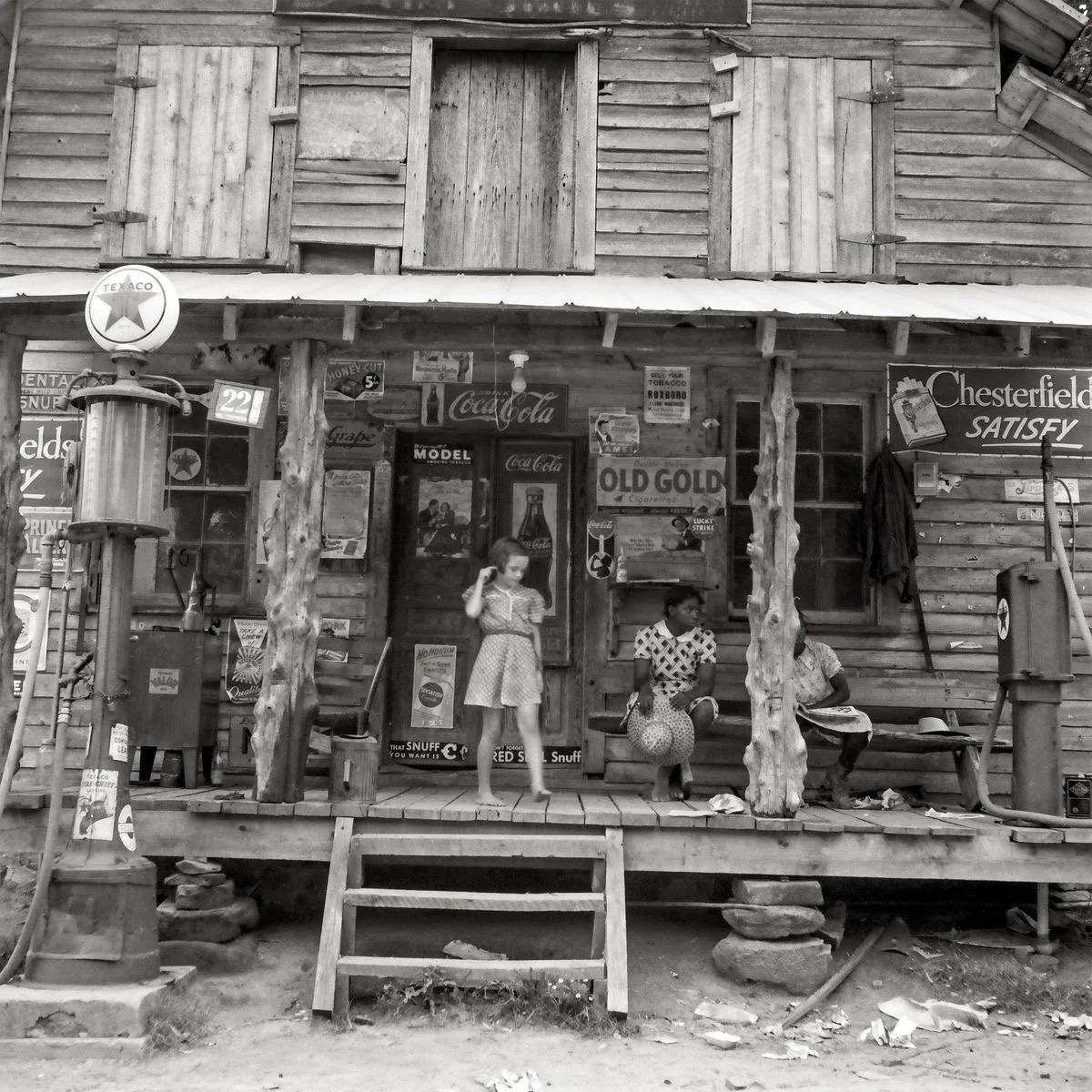
Gatesville, North Carolina
In North Carolina, the aftermath felt like a silence too sharp to bear. The state had been torn down the middle—mountain men loyal to the Union, planters clinging to the Confederacy—and the war only deepened the cracks. When peace was declared, neighbors did not embrace the end of conflict. They turned inward, eyes wary, hearts bitter.
The violence here was less spectacle and more shadow. Freedmen who tried to practice their newfound right to vote found themselves beaten back into the dark holes of society’s order. Schools for Black children were burned before their lessons could begin. The Ku Klux Klan slunk into being, not yet fully unmasked but already whispering through night rides and burning crosses. North Carolina lived in the hush of constant threat, as if the soil itself was holding its breath.
-
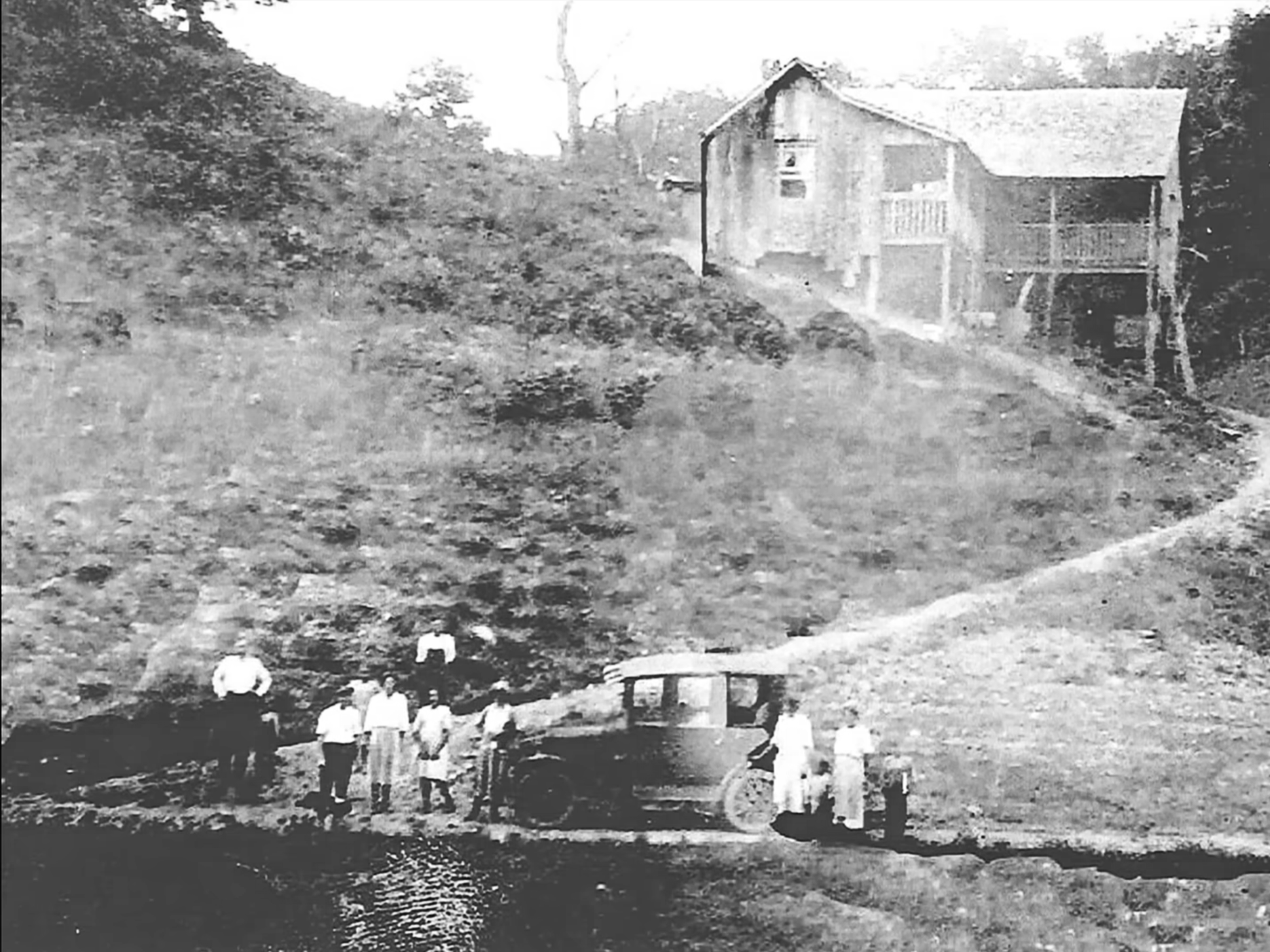
Oliver Springs, Tennessee
Tennessee was fire where Virginia mourned and North Carolina suppressed. Divided loyalties had made her a battleground long before Appomattox: Unionists in the mountains of eastern Tennessee, Confederates in the west, and guerrillas who only trusted their own guns. When the war ended, those divisions did not heal—they ignited into something bigger.
From Pulaski in 1866 came the first incarnation of the Ku Klux Klan, born of bitterness and fed by fear. What began as a brotherhood of resentment swelled into a reign of terror and relentless aggression. Black men were shot in their fields for daring to carve out a life as an equal citizen; white teachers were flogged for instructing freed children; and women lived with the knowledge that nightfall could bring masked riders pounding at their doors. In Tennessee, violence did not recede with the war. It became the avenue of disillusionment and terror that would endure into the next century.
By Family Name
-
Description text goes here
-
Description text goes here
-
Description text goes here
-
Description text goes here
-
Description text goes here
-
Description text goes here
-
Description text goes here
-
Description text goes here
-
Description text goes here