The Illusion of the 80’s
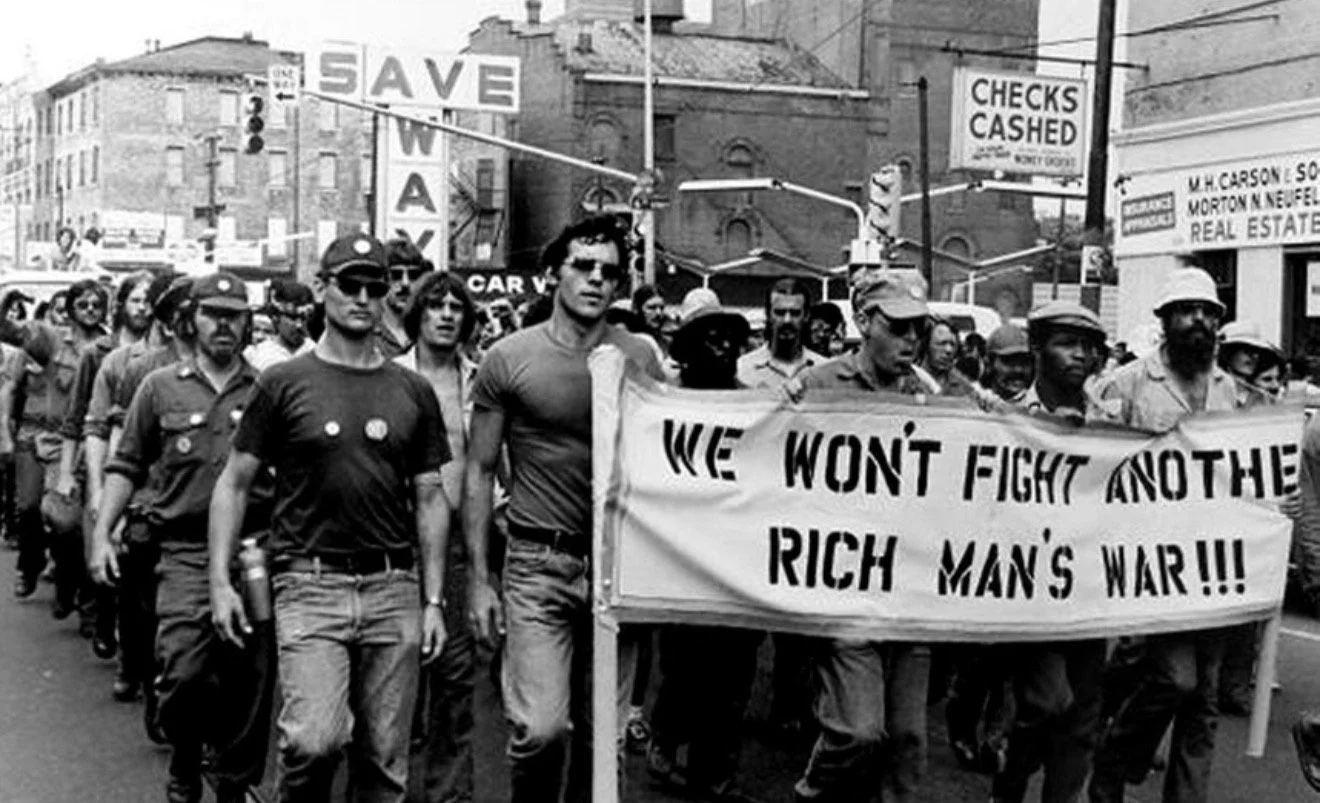
After the outrageous horrors and chaos of the Vietnam War, the 1980s served as the return to order. It represented a moment in time when life was allowed to feel stable again; when the country seemed to pull itself together and move forward.
Still, it’s important to remember that the 80s didn’t rise out of resolution. They rose out of exhaustion.
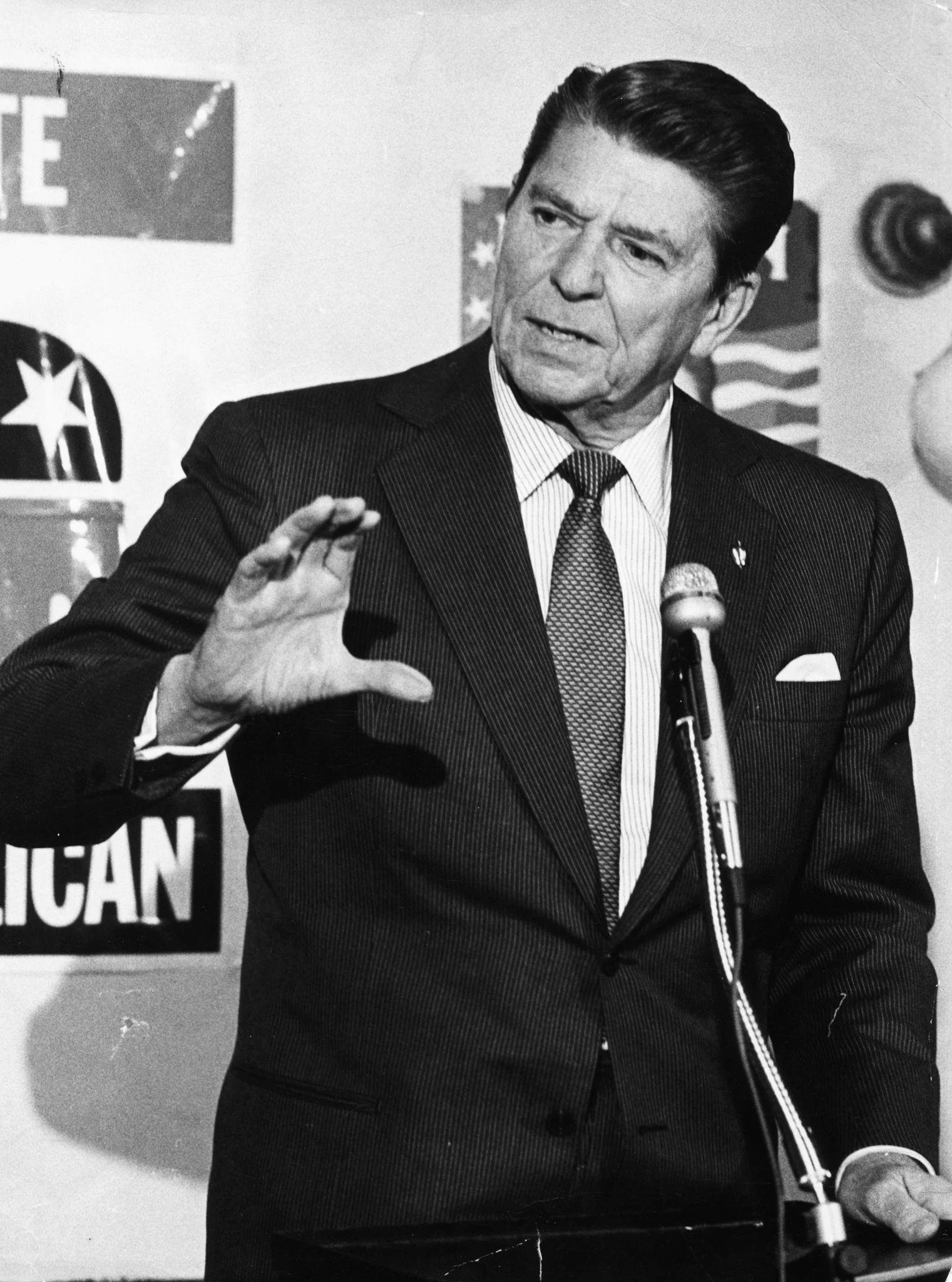
Ronald Reagan gave that shift direction. He offered a return to structure bound by truth, discipline, and conservative principles, all wrapped in a vision of America that felt confident again. Not just powerful, but good. A country that led; that helped; that stood on the right side of things. The complete opposite of how America had portrayed itself five years prior. It was a compelling narrative, and it felt better, so it took hold quickly.
In that version of events, the anti-war movement became easier to dismiss. Vietnam became something to move past rather than reckon with.
The unrest of the previous decade was simply reframed as drug-fueled irresponsibility, not an emotional response in the face of injustice.
And reframing an uproar, isn’t the same as resolution.
The anger and distrust that defined the previous era didn’t come from nowhere. People didn’t risk their reputation, safety, or their lives for nothing.
And yet, by the mid 1980’s that’s what we chose to believe.
…
I was born in 1984, and I vividly remember my parents telling the story of the night my father was drafted at the very end of the Vietnam War. It was 1972, and they were freshmen in college, at different universities, yet still connected after dating in high school.
Whenever they talked about it, there was a shared heaviness in their memories. It carried a lingering sense that something had gone irreversibly wrong, yet my father had managed to survive it.
In my mind, that was then, and my life was now, and what mattered was that America was strong. Unshakable. Inherently good. It wasn’t an argument; it was absorbed as fact.
Over the years, I would watch my mother carry her inherited patriotism with ease, confirming that America was much better now. My father, however, held a more complicated view—one shaped by his lived experiences that didn’t align as neatly with the surface story.
He lived and breathed the gap between what was said and what was true. He watched people dismiss the traumatic reality that he and other servicemen had endured; the same people who avoided the draft by digging into their daddy’s pockets, yet emerged with the authority to define what strength and patriotism should look like.
Of course it’s easier to embody those ideals when you’ve never been tested. And those who were tested carried their understanding more quietly.
They adapted to their unsettled fears and social disconnect.
They moved forward like a good American.
They learned, in many cases, not to disrupt the version of reality that had already been agreed upon.
What’s sad is, they learned after sacrificing their minds and bodies for the supposed betterment of our country, that other Americans who walked alongside them just did not care.

Randall Carter Gray